What are the clinical manifestations of barbiturate poisoning?
Nov 24, 2025
Source: Cainiu Health

Dr. Wang Lei
Introduction
Barbiturate poisoning is an emergency caused by the excessive intake of barbiturate drugs, with clinical manifestations primarily including neurological abnormalities, respiratory depression, circulatory disturbances, gastrointestinal reactions, and changes in the skin and mucous membranes. Barbiturates are controlled substances that must be used strictly according to medical prescription; dosage and frequency of administration should not be altered without authorization.
Barbiturate poisoning is an emergency caused by the overdose of barbiturate drugs. Clinical manifestations mainly include abnormalities in the nervous system, respiratory depression, circulatory disturbances, gastrointestinal reactions, and changes in the skin and mucous membranes. A detailed analysis is as follows:
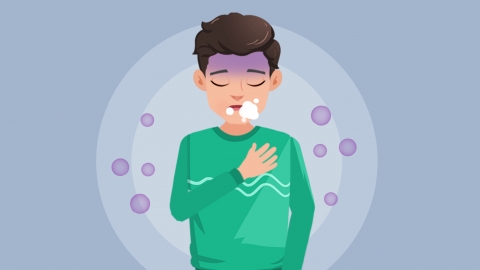
1. Nervous system abnormalities: Early symptoms include drowsiness, dizziness, fatigue, difficulty concentrating, and reduced motor coordination. As poisoning progresses, patients may develop confusion, restlessness, progressing to stupor or coma. Pupils become constricted with sluggish pupillary light reflexes; in severe cases, all neurological reflexes may disappear completely.
2. Respiratory system depression: The drug strongly suppresses the respiratory center. Early signs include slowed breathing and shallow respiration, sometimes accompanied by snoring during exhalation. With worsening toxicity, patients may develop dyspnea, cyanosis, weakened chest movement, and in severe cases, respiratory arrest.
3. Circulatory system disturbances: The drug causes relaxation of vascular smooth muscle, leading to hypotension, pallor, cold extremities, and cold sweating. Heart rate may increase or decrease, with weak and thready pulse. Severe cases can result in arrhythmias and circulatory failure, presenting as apathy, reduced urine output, and other signs of shock.
4. Gastrointestinal reactions: Most patients experience nausea and vomiting, with vomitus possibly having a distinct medicinal odor. Some may have abdominal pain and diarrhea. When the liver is affected, jaundice and tenderness in the hepatic region may occur, along with abnormal liver function tests indicating hepatocellular damage.
5. Skin and mucous membrane changes: Petechiae and ecchymoses may appear on the skin due to increased capillary permeability. Some patients exhibit clammy, cyanotic skin, dry oral mucosa, and thickened tongue coating. Severely comatose patients are also at risk of oral mucosal injury from aspiration of vomitus.
Barbiturates are controlled substances and must be used strictly according to medical instructions—dosage should not be adjusted nor frequency altered without authorization. When stored at home, these medications should be kept out of reach of children to prevent accidental ingestion.