


How to know if you have acute appendicitis
Nov 24, 2025
Source: Cainiu Health

Dr. Huang Yuhong
Introduction
In general, the main methods to determine whether you have acute appendicitis include observing the characteristics of abdominal pain, paying attention to gastrointestinal symptoms, monitoring systemic symptoms, pressing on McBurney's point, and monitoring symptom progression. If any discomfort occurs, it is recommended to seek timely medical evaluation and treatment at a正规 hospital. Do not self-medicate with painkillers if symptoms suggestive of appendicitis appear, as this may mask the condition and delay diagnosis.
Generally, the main methods to determine whether one has acute appendicitis include observing the characteristics of abdominal pain, paying attention to gastrointestinal symptoms, monitoring systemic symptoms, pressing on McBurney's point, and monitoring symptom progression. If discomfort occurs, it is recommended to seek timely medical evaluation and treatment at a正规 hospital. Specific analysis is as follows:
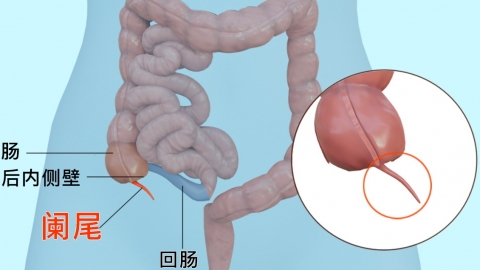
1. Observe the characteristics of abdominal pain
The typical abdominal pain of acute appendicitis is migratory right lower quadrant pain. Initially, the pain often occurs in the upper abdomen or around the navel, then shifts and localizes to the right lower abdomen after several hours. The pain results from inflammation of the appendix irritating the peritoneum. As the inflammation worsens, the pain gradually intensifies and persists without relief.
2. Pay attention to gastrointestinal symptoms
Inflammation of the appendix can stimulate gastrointestinal nerves, commonly causing nausea and vomiting, usually occurring after the onset of abdominal pain. Some individuals may also experience loss of appetite, diarrhea, or constipation. These symptoms result from intestinal dysfunction and are common accompanying features of acute appendicitis.
3. Monitor systemic symptoms
The body’s response to inflammation may cause fever, typically around 38°C. If the appendix develops pus or perforates, the temperature may rise above 39°C. Patients often feel fatigued and lethargic—systemic manifestations caused by the spread of inflammatory mediators.
4. Press on McBurney's point
McBurney's point is located at the junction of the outer one-third and inner two-thirds of the line connecting the umbilicus to the right anterior superior iliac spine—the surface projection of the appendix. When pressed with a finger and then quickly released, significant tenderness and rebound tenderness indicate that the appendix inflammation has involved the peritoneum, serving as an important diagnostic clue.
5. Monitor symptom progression
Symptoms of acute appendicitis progress rapidly. If mild abdominal pain initially worsens significantly within hours, or if chills and high fever develop, this may indicate worsening condition. Symptoms do not resolve spontaneously but instead progressively intensify over time.
If symptoms suggestive of appendicitis occur, do not self-medicate with painkillers, as this may mask the condition and delay diagnosis. Seek prompt medical care for definitive diagnosis through tests such as complete blood count and ultrasound. After treatment, initial diet should consist of liquid or semi-liquid foods, gradually transitioning to a normal diet. Adequate rest is essential; avoid strenuous activity and keep the surgical wound clean and dry to prevent infection.






