


What to do if stung by a bee
Nov 24, 2025
Source: Cainiu Health

Dr. Liu Wenmin
Introduction
After being stung by a bee, prompt and scientifically sound measures should be taken to prevent worsening symptoms. Key steps include removing the stinger, cleaning the wound, reducing local swelling, monitoring for reactions, and preventing further stings. Before engaging in outdoor activities, it is advisable to learn about bee distribution in the area and carry a simple first-aid kit. Children, elderly individuals, and those with allergic constitutions should be accompanied by family members when going outdoors.
After being stung by a bee, it is important to take prompt and scientifically sound measures to prevent worsening symptoms. Key steps include removing the stinger, cleaning the wound, reducing local swelling, monitoring for reactions, and preventing further stings. A detailed explanation is as follows:
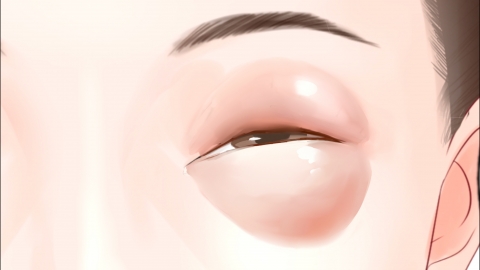
1. Remove the stinger: When a bee stings, its stinger often remains embedded in the skin. It should be promptly removed using tweezers or gently scraped out with a fingernail. Avoid squeezing the venom sac during removal, as this may inject more venom into the body. If the stinger has barbs, handle it gently. Disinfect tools with alcohol beforehand to reduce the risk of infection.
2. Clean the wound: Bee venom is acidic. After removing the stinger, wash the wound with an alkaline solution such as soapy water or baking soda solution, or rinse thoroughly under running water. Continue washing for 3–5 minutes to neutralize the acid and reduce skin irritation and inflammatory response.
3. Reduce local swelling: Apply a cold compress or ice pack to the sting site and surrounding area for 15–20 minutes at a time, repeating every hour if needed. This helps constrict blood vessels and reduces swelling and pain. For significant discomfort, topical applications such as calamine lotion, essential balm (e.g., Fengyoujing), or antihistamine creams can help relieve local symptoms.
4. Monitor for reactions: Closely observe your condition. Localized redness, swelling, and itching typically indicate a mild reaction. However, if symptoms such as dizziness, nausea, palpitations, or widespread rashes develop, stop self-treatment immediately and seek emergency medical assistance in a safe location.
5. Prevent re-stinging: After treatment, move away from areas with bee activity. Avoid flailing arms or attempting to swat bees, as this may provoke additional stings. When spending time outdoors, wear light-colored, long-sleeved clothing and a hat, and avoid using scented products like perfume or hair spray that may attract bees.
Before engaging in outdoor activities, learn about bee presence in the area and carry a basic first-aid kit. Children, elderly individuals, and those with allergies should be accompanied by family members who are aware of these precautions, ensuring comprehensive protective measures are in place.







