


What causes pain in the legs and arms?
Nov 25, 2025
Source: Cainiu Health

Dr. Wang Lei
Introduction
In general, leg and arm pain may be caused by factors such as overexertion, poor posture, muscle strain, rheumatoid arthritis, or lumbar disc herniation. It is recommended to seek medical attention promptly, identify the underlying cause, and receive appropriate treatment under a doctor's guidance. In daily life, maintain a regular routine, avoid excessive fatigue, and engage in moderate full-body exercise to strengthen muscles.
Generally, leg and arm pain may be caused by factors such as overexertion, poor posture, muscle strain, rheumatoid arthritis, or lumbar disc herniation. It is recommended to seek medical attention promptly, identify the underlying cause, and receive appropriate treatment under a doctor's guidance. Specific analyses are as follows:
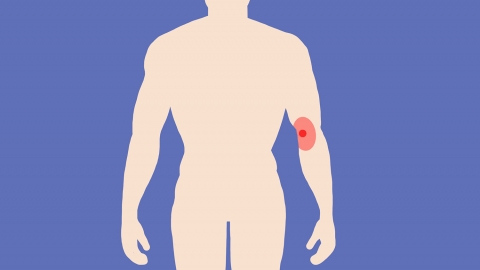
1. Overexertion: After prolonged exercise or lifting heavy objects, lactic acid produced by muscle metabolism may accumulate due to insufficient clearance, leading to leg and arm pain. This is a normal physiological response; symptoms usually gradually subside with adequate rest. Applying heat therapy can also promote local blood circulation and accelerate lactic acid metabolism. No special treatment is required.
2. Poor Posture: Prolonged sitting, standing, or bending the head forward (e.g., while working at a desk) can keep neck, shoulder, lower back, and leg muscles in a chronically tense state, resulting in pain. It’s important to adjust posture regularly—stand up and move for 5–10 minutes every hour of sitting, and perform stretching exercises for the neck, shoulders, and limbs to relax strained muscles.
3. Muscle Strain: Repeating the same motion over a long period or engaging in sudden intense physical activity can cause minor damage to muscle fibers, leading to strain. Symptoms include localized muscle soreness and obvious tenderness. Patients may take medications such as ibuprofen sustained-release capsules, diclofenac sodium enteric-coated tablets, or celecoxib capsules as directed by a physician to relieve pain, along with local massage to aid recovery.
4. Rheumatoid Arthritis: Often triggered by infection with Group A beta-hemolytic streptococcus, this condition involves inflammation that affects joints and surrounding tissues, causing leg and arm pain, often accompanied by joint redness, swelling, and warmth. Patients should follow medical advice when using medications such as aspirin enteric-coated tablets, naproxen tablets, or prednisone acetate tablets. Daily care should include keeping joints warm and avoiding cold exposure.
5. Lumbar Disc Herniation: Degeneration and protrusion of the intervertebral disc causes the nucleus pulposus to compress nerve roots, resulting in radiating pain to the arms and legs, often accompanied by numbness and weakness. Medications such as mecobalamin tablets, vitamin B1 tablets, and loxoprofen sodium tablets may be used under medical supervision to alleviate symptoms. In severe cases, percutaneous endoscopic discectomy may be necessary to relieve nerve root compression.
In daily life, maintain regular作息 (sleep-wake cycles), avoid excessive fatigue, and engage in moderate full-body exercise to strengthen muscles. Always warm up before exercising and stretch afterward to reduce the risk of muscle injury. Additionally, maintaining good posture helps lower the likelihood of developing pain.



