


What is meant by multiple organ failure?
Nov 25, 2025
Source: Cainiu Health

Dr. Ren Yi
Introduction
In general, multiple organ failure refers to a condition in which several vital organ systems simultaneously experience severe dysfunction or loss of function. Daily care requires close monitoring of vital signs, including changes in respiration, heart rate, and blood pressure, to promptly detect abnormalities. Ensure the patient's airway remains clear, and regularly turn the patient and perform back tapping to prevent infections.
Generally, multiple organ failure refers to a severe condition in which multiple vital organ systems simultaneously experience serious dysfunction or complete loss of function. A detailed analysis is as follows:
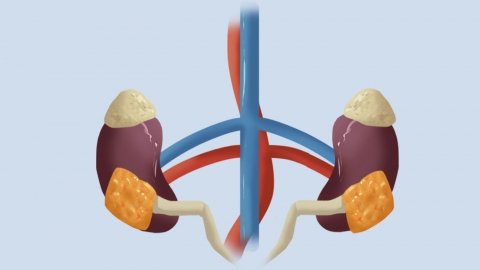
Multiple organ failure means the simultaneous or sequential loss of function in several major organs of the body, resulting in an inability to maintain basic physiological needs. The causes are diverse: severe infections can spread through systemic inflammatory responses and damage multiple organs; major trauma or surgery leading to massive blood loss and shock may disrupt organ metabolism due to ischemia and hypoxia; long-term chronic diseases gradually exhaust organ function over time; in addition, extreme conditions such as poisoning or severe burns may also trigger this condition.
In daily care, it is essential to closely monitor vital signs and observe changes in respiration, heart rate, and blood pressure for early detection of abnormalities. Ensure the patient's airway remains unobstructed, and regularly turn and pat the back to prevent infections. The diet should be easily digestible and highly nutritious, with intake adjusted according to organ function—for example, restricting protein intake in cases of impaired kidney function. Keep the skin clean and dry to prevent pressure ulcers, and provide psychological support to reduce anxiety, thereby creating favorable conditions for recovery.






