


How to Delay Organ Failure
Nov 25, 2025
Source: Cainiu Health

Dr. Tian Hongbo
Introduction
Methods to delay organ failure generally include maintaining balanced nutrition, engaging in regular moderate exercise, strictly managing underlying medical conditions, avoiding unhealthy lifestyle habits, and undergoing routine health monitoring. Daily diet should contain adequate high-quality protein, fresh fruits and vegetables, and whole grains, while limiting intake of oil, salt, and sugar, thereby providing sufficient nutritional support to organs and maintaining normal cellular metabolism and function.
Methods to delay organ failure generally include maintaining balanced nutrition, adhering to moderate and regular exercise, strictly managing underlying medical conditions, avoiding unhealthy lifestyle habits, and undergoing regular health monitoring. A detailed analysis is as follows:
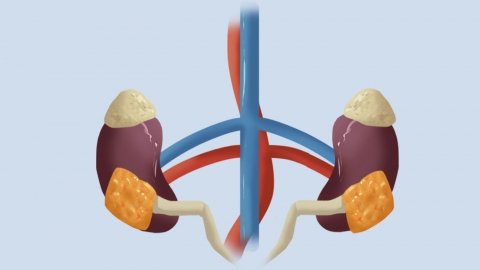
1. Maintain balanced nutritional intake: Daily diet should include adequate amounts of high-quality protein, fresh fruits and vegetables, and whole grains, while limiting intake of oil, salt, and sugar. This provides sufficient nutritional support for organs, maintains normal cellular metabolism and function, and prevents increased organ burden due to malnutrition.
2. Adhere to moderate and regular exercise: Choose mild physical activities such as walking or tai chi according to individual physical condition, exercising 3–5 times per week for about 30 minutes each session. This promotes blood circulation and metabolism, enhances cardiopulmonary function, improves organ perfusion, and slows functional decline.
3. Strictly control underlying diseases: For individuals with chronic conditions such as hypertension, diabetes, or kidney disease, it is essential to take prescribed medications and regularly monitor key indicators (e.g., blood pressure, blood glucose) to prevent disease fluctuations that could damage vital organs like the heart, kidneys, and brain, thereby reducing the risk of organ failure.
4. Avoid unhealthy lifestyle habits: Quit smoking, limit alcohol consumption, avoid chronic sleep deprivation, and reduce excessive fatigue. These habits can exacerbate damage to organs such as the liver and lungs and disrupt the body's internal stability. Maintaining regular作息 and a healthy lifestyle helps alleviate stress on organs.
5. Undergo regular health monitoring: Have 1–2 comprehensive physical examinations annually, focusing on indicators such as liver and kidney function and cardiopulmonary performance. Early detection of organ dysfunction allows timely intervention and treatment to prevent disease progression.
If persistent symptoms such as fatigue, loss of appetite, or shortness of breath occur, seek medical attention promptly. Follow professional medical advice to develop a personalized health plan and avoid blindly trying unproven remedies.






