


What are the dietary care measures for sepsis?
Nov 25, 2025
Source: Cainiu Health

Dr. Wang Lei
Introduction
In general, dietary care for sepsis mainly includes providing high-quality protein, supplementing vitamins, offering easily digestible foods, implementing nutritional support interventions, and restricting irritating foods. In addition, the patient's dietary management should be dynamically adjusted according to the disease condition. During treatment, medications such as ceftriaxone sodium injection and meropenem for injection should be used as prescribed, and nutritional indicators should be regularly monitored.
In general, dietary care for sepsis mainly includes providing high-quality protein, vitamin supplementation, easily digestible diets, nutritional support interventions, and restricting irritating foods. The details are as follows:
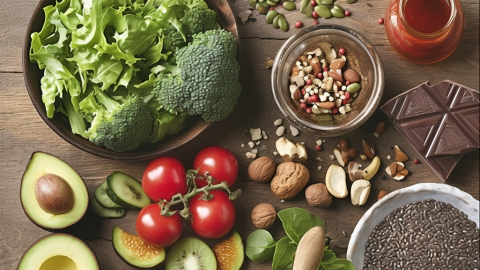
1. High-Quality Protein Supply
Protein is essential for tissue repair and immune cell synthesis. Patients should consume more high-quality protein sources such as lean meat, fish, eggs, and legumes to promote the repair of damaged cells and enhance immunity. If renal insufficiency is present, compound amino acid 9AA granules may be used under medical guidance to provide essential amino acids.
2. Vitamin Supplementation
Vitamins participate in metabolism and help reduce inflammatory responses. Adequate intake of fresh vegetables and fruits—such as broccoli and oranges—should be ensured to supply vitamins C and B complex. When necessary, vitamin levels can also be maintained through nutritional supplements to support recovery.
3. Easily Digestible Diet Adjustment
Patients often have weakened gastrointestinal function. Their diet should include easily digestible foods such as rice porridge and noodles, consumed in small, frequent meals to avoid overloading the digestive system with large portions. As gastrointestinal function gradually recovers, the diet can transition to soft foods, progressively improving nutritional intake efficiency.
4. Nutritional Support Intervention
For patients with stable hemodynamics and no contraindications to feeding, early initiation of enteral nutrition is recommended. If oral intake is not possible, enteral nutrition emulsions may be administered as prescribed. For severely malnourished patients who cannot receive enteral feeding, early parenteral nutrition support is required.
5. Restriction of Irritating Foods
Spicy and greasy foods, as well as tobacco and alcohol, must be strictly avoided, as they can irritate the gastrointestinal mucosa and exacerbate inflammation. Additionally, high-fiber and gas-producing foods should be avoided to prevent gastrointestinal discomfort and maintain stable gastrointestinal function.
In addition, dietary management should be dynamically adjusted according to the patient's condition. During treatment, medications such as ceftriaxone sodium injection and meropenem for injection should be used as prescribed, and nutritional indicators should be regularly monitored. If symptoms such as nausea, vomiting, or abdominal distension occur, healthcare providers should be informed promptly so that the treatment plan can be adjusted accordingly.




