What should I do if I vomit yellow fluid after getting drunk?
Nov 25, 2025
Source: Cainiu Health

Dr. Huang Yuhong
Introduction
Drinking alcohol to the point of vomiting yellow fluid can be managed by promptly rehydrating to prevent dehydration, eating a light diet to protect the gastrointestinal tract, maintaining proper body position to avoid aspiration, resting to aid metabolism, and alleviating discomfort. Vomiting yellow fluid is usually due to bile reflux, so it's important to avoid further gastrointestinal damage. If vomiting is severe and persistent, or if there is vomiting of blood or confusion, prompt medical attention is recommended. Vomiting leads to significant loss of fluids and electrolytes, which must be replenished.
When someone vomits yellow fluid after excessive alcohol consumption, it can be managed by timely rehydration to prevent dehydration, eating a light diet to protect the gastrointestinal tract, maintaining proper body position to avoid aspiration, resting to aid alcohol metabolism, and relieving discomfort. The yellow vomit is often bile reflux, so measures should be taken to avoid further gastrointestinal damage. If vomiting is severe and persistent, or if there is vomiting of blood or confusion, prompt medical attention is recommended.
1. Rehydrate promptly to prevent dehydration: Vomiting leads to significant loss of fluids and electrolytes. It's important to drink small amounts of warm water, light salt water, or oral rehydration solution frequently. Avoid drinking large volumes at once, which may trigger further vomiting, and instead steadily replenish lost fluids and electrolytes.
2. Eat a light diet to protect the stomach and intestines: After vomiting subsides, consume easily digestible foods such as millet porridge, plain rice porridge, or noodle soup. Avoid spicy, greasy, raw, or cold foods that may irritate the gastrointestinal tract. This helps reduce digestive burden and supports recovery of gastrointestinal function.
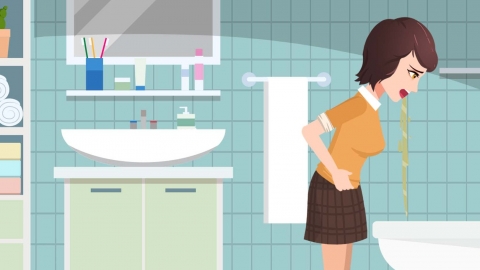
3. Maintain proper body position to prevent aspiration: Keep the intoxicated person lying on their side to avoid airway obstruction and choking if they vomit while unconscious. If awake, slightly elevating the upper body can help reduce bile reflux and minimize irritation to the esophagus.
4. Rest to support metabolism: Ensure adequate rest and minimize physical activity so the body can focus energy on metabolizing alcohol. Avoid staying up late or overexertion, which may worsen symptoms, and promote faster elimination of alcohol from the body.
5. Relieve uncomfortable symptoms: If there is a burning sensation in the stomach, drinking warm milk may help protect the gastric mucosa. Avoid self-medicating with painkillers or antiemetics, as these may interact with alcohol and cause adverse reactions.
Individuals who are intoxicated should be accompanied and monitored by someone else and should not be left alone. In the future, alcohol intake should be reduced or avoided altogether. Maintaining regular sleep patterns and healthy eating habits is advisable. Eating a small amount of food before drinking can also help buffer the stomach and reduce alcohol irritation.