How long after cardiac arrest does biological death occur?
Nov 25, 2025
Source: Cainiu Health

Dr. Tian Hongbo
Introduction
Without any emergency interventions, blood circulation stops after cardiac arrest, leading to rapid oxygen deprivation in vital organs such as the brain. Within 4–6 minutes, brain tissue begins to malfunction due to lack of oxygen; if blood flow and oxygen supply are not restored during this period, the damage becomes progressively irreversible. After 6–10 minutes, massive brain cell death occurs, all physiological functions of the body are completely lost, and biological death ultimately ensues.
Generally, if no timely intervention is provided after cardiac arrest, most individuals will begin to experience irreversible brain damage within 4–6 minutes, and biological death may occur within 6–10 minutes. If there are any concerns, it is recommended to seek medical advice promptly. The detailed explanation is as follows:
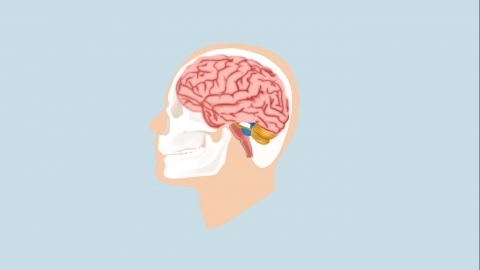
In the absence of any emergency measures, blood circulation stops after cardiac arrest, leading to rapid oxygen deprivation in vital organs such as the brain. Within 4–6 minutes, brain tissue begins to malfunction due to lack of oxygen. If blood flow and oxygen supply are not restored at this stage, the damage becomes progressively irreversible. After 6–10 minutes, extensive brain cell death occurs, all physiological functions cease completely, and biological death ensues. The exact timeline may vary slightly depending on individual factors such as age and baseline health status.
If effective emergency measures—such as cardiopulmonary resuscitation (CPR)—are administered promptly at the scene, the onset of biological death can be delayed. Proper CPR can partially restore blood circulation and oxygen supply, buying time for critical organs like the brain. This may postpone biological death to 10–20 minutes or even longer, creating opportunities for subsequent professional medical interventions (such as defibrillation) and increasing the chances of successful resuscitation.
When encountering a case of cardiac arrest, immediately call emergency services and begin CPR simultaneously. Do not delay life-saving efforts while waiting for professional help. Learning basic first-aid skills in daily life can enable one to respond correctly during emergencies.