


How to perform first aid for burn patients
Nov 24, 2025
Source: Cainiu Health

Dr. Liu Wenmin
Introduction
In general, first aid for burn patients mainly includes removing the source of heat, cooling treatment, wound protection, medication intervention, and fluid support. Additionally, during first aid, closely monitor the patient's consciousness, breathing, and other vital signs. If respiratory or cardiac arrest occurs, immediately perform cardiopulmonary resuscitation (CPR). The patient should be promptly transferred to a hospital capable of providing appropriate medical care.
In general, first aid for burn patients mainly includes removing the heat source, cooling treatment, wound protection, medication intervention, fluid replacement support, etc. The details are as follows:
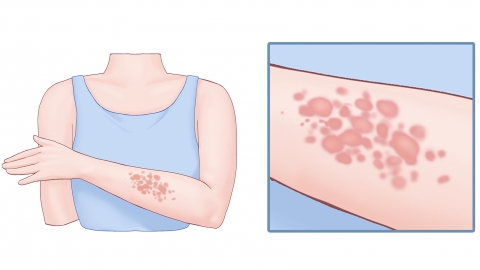
1. Remove from Heat Source
Immediately move the patient away from flames, boiling water, hot liquids, or other sources of injury. If clothing adheres to the wound, do not forcibly remove it; instead, use scissors to cut away surrounding unattached fabric. Quickly transfer the patient to a safe, well-ventilated area to prevent continued heat exposure and worsening injury, thereby buying time for subsequent emergency care.
2. Cooling Treatment
For minor burns with small affected areas, continuously rinse the wound under cool running water for 20 to 30 minutes, or apply a cold, wet towel. Cool water rapidly removes localized heat, lowers skin temperature, reduces further thermal damage to deeper tissues, and helps relieve pain.
3. Wound Protection
After rinsing, gently cover the wound with sterile gauze or clean, breathable cloth to prevent exposure to air and reduce the risk of infection. Do not apply toothpaste, soy sauce, or similar substances to the wound, as these can trap heat, irritate the injured area, and interfere with later medical treatment.
4. Medication Intervention
Medication may be used to prevent infection and relieve symptoms, but must be administered under medical guidance. Topical medications include mupirocin ointment and silver sulfadiazine cream. Oral antibiotics such as cefaclor capsules or amoxicillin-clavulanate potassium tablets may be prescribed. For itching, cetirizine hydrochloride tablets can be used.
5. Fluid Replacement Support
Burns often cause significant fluid loss, so timely rehydration and electrolyte replacement are essential. If the patient is conscious and not vomiting, give small, frequent sips of lightly salted water. For moderate to severe burns, immediate hospitalization is required for intravenous fluid therapy to maintain circulatory stability.
In addition, closely monitor the patient's consciousness, breathing, and vital signs during first aid. If breathing or heartbeat stops, begin cardiopulmonary resuscitation (CPR) immediately. Transport the patient as soon as possible to a medical facility capable of providing appropriate care, ensuring warmth and minimizing jostling during transit to avoid worsening the condition.




