


What to do if stung by a bee
Nov 25, 2025
Source: Cainiu Health

Dr. Wang Lei
Introduction
In general, the main treatment methods for bee stings include identifying the type of bee, removing the stinger properly, rinsing the wound with appropriate solutions, applying cold compresses to relieve discomfort, using topical medications, and taking oral medications. During outdoor activities, avoid bee colonies and nests, and wear light-colored, long-sleeved clothing to reduce attraction. Seek immediate medical attention if severe symptoms such as difficulty breathing, dizziness, vomiting, or low blood pressure occur after a sting.
Generally, the management of bee stings mainly includes identifying the type of bee, removing the stinger, targeted wound rinsing, cold compress to relieve discomfort, topical medication, and oral drug treatment. The details are as follows:
1. Identify the Bee Species and Remove the Stinger
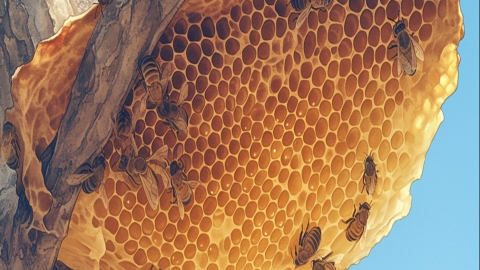
After a honeybee sting, the stinger—equipped with barbs—typically remains in the skin and should be removed using sterilized tweezers or a needle tip, taking care not to squeeze the venom sac. Hornets usually leave no stinger behind as it often falls out naturally; if retained, remove it in the same manner. Handle gently and precisely to minimize secondary tissue damage and prevent further spread of venom.
2. Targeted Wound Rinsing
Honeybee venom is acidic, so rinse the wound with alkaline solutions such as soapy water or baking soda solution. Hornet venom is alkaline, so use acidic solutions like vinegar or lemon juice. Apply the appropriate solution and rinse the wound thoroughly for 3–5 minutes to neutralize the toxin, reduce irritation, and alleviate redness, swelling, and itching.
3. Cold Compress to Relieve Discomfort
Local vasodilation after a sting can cause swelling and pain. Apply an ice pack or a cold towel wrapped in gauze to the affected area for 15–20 minutes per session. Low temperature helps constrict blood vessels, reducing local congestion and edema, while also inhibiting nerve ending transmission to effectively relieve pain and itching.
4. Topical Medication
Select appropriate topical medications based on symptoms: apply compound acetic acid dexamethasone cream for significant redness and inflammation; use calamine lotion for severe itching to soothe and dry the area; apply mupirocin ointment around the wound to create a protective barrier and prevent infection.
5. Oral Medication
If systemic allergic reactions occur—such as widespread rash or intense itching—take oral antihistamines like cetirizine hydrochloride tablets, loratadine capsules, or fexofenadine hydrochloride tablets. For severe pain, ibuprofen sustained-release capsules may be taken under medical guidance to alleviate symptoms.
During daily outdoor activities, avoid bee colonies and nests, and wear light-colored, long-sleeved clothing to reduce attraction. If symptoms such as difficulty breathing, dizziness, vomiting, or low blood pressure occur after a sting, call 120 immediately. Follow medical advice strictly during treatment and avoid scratching the wound to prevent secondary infection.







