


What to do if burned by a soldering iron
Nov 25, 2025
Source: Cainiu Health

Dr. Liu Wenmin
Introduction
After being burned by a soldering iron, prompt and scientifically sound measures should be taken. Key steps include immediately removing contact with the heat source, cooling the burn with cold running water, properly managing the wound, avoiding inappropriate actions, and conducting proper follow-up care and observation. When using a soldering iron in daily practice, protective measures should be implemented, such as wearing heat-resistant gloves and placing the iron on a designated stand. If the burn is deep or covers a large area, avoid excessive manipulation of the wound.
After being burned by a soldering iron, it is essential to quickly take scientifically sound measures. Key steps include immediately removing the heat source, cooling the area with cold water, properly managing the wound, avoiding improper actions, and conducting proper follow-up care and observation. A detailed breakdown is as follows:
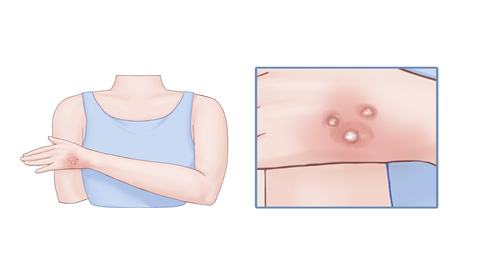
1. **Immediately remove from the heat source**: Soldering irons can reach temperatures of 200–400 °C. Upon contact, the affected body part should be moved away immediately to prevent prolonged exposure and worsening injury. If clothing adheres to the burn site, do not forcibly peel it off. Instead, use scissors to cut away surrounding fabric while leaving the adhered portion intact until professional medical treatment can be administered, thus preventing secondary damage.
2. **Cool the burn with cold water**: Immediately after removing the heat source, rinse the affected area under running cool water. The ideal water temperature is 15–20 °C, and rinsing should continue for at least 15–20 minutes, or until pain significantly subsides. Cold water rapidly removes residual heat, reduces thermal damage to deeper tissues, and lowers the likelihood of blister formation.
3. **Proper wound management**: For small, mild burns, gently pat the area dry with sterile gauze or a clean towel after rinsing, keeping the wound clean and dry. If small blisters form, do not puncture them; the blistered skin acts as a natural protective barrier. For large blisters or those that have already ruptured, disinfect the area with iodophor and cover with sterile gauze to prevent infection.
4. **Avoid improper treatments**: Never apply toothpaste, soy sauce, vegetable oil, or similar substances to the burn. These can trap heat, increase the risk of infection, and interfere with a doctor’s ability to assess the depth of the injury. Avoid using unverified home remedies such as herbal poultices, which may cause allergic reactions or worsen inflammation.
5. **Follow-up care and monitoring**: Clean the wound daily with sterile saline solution and replace the dressing with clean gauze. Monitor the wound closely. Signs such as increased redness and swelling, pus discharge, worsening pain, or fever may indicate infection and require prompt medical attention.
When using a soldering iron routinely, always take preventive safety measures, such as wearing heat-resistant gloves and placing the iron on a dedicated stand. In cases of deep or extensive burns, avoid excessive self-treatment and seek immediate medical care to prevent treatment delays.





