


What causes a stinging pain in the skin as if it's been burned, and what should be done about it?
Dec 01, 2025
Source: Cainiu Health

Dr. Liu Wenmin
Introduction
In general, a stinging pain in the skin similar to a burn may be caused by exposure to irritants, dry environments, contact dermatitis, solar dermatitis, herpes zoster, or other reasons. It is recommended to seek medical attention promptly, identify the underlying cause, and then improve symptoms under a doctor's guidance through general measures, medications, or other treatments. In daily life, avoid known irritants and allergens, and choose mild skincare and cleansing products.
Skin with a burning, stinging pain is generally caused by contact with irritants, dry environments, contact dermatitis, solar dermatitis (sunburn), herpes zoster, and other reasons. It is recommended to seek medical attention promptly, identify the underlying cause, and then improve symptoms under a doctor's guidance through general management, medications, and other treatments. Specific analyses are as follows:
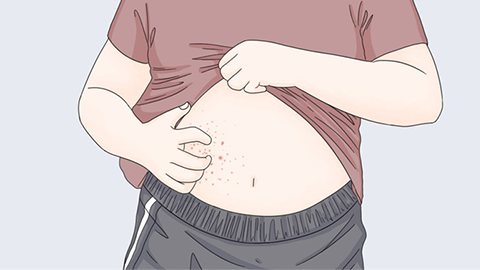
1. Contact with irritants: When skin comes into contact with irritants such as capsaicin or detergents, their chemical components can damage the stratum corneum, causing a burning sensation. Immediately rinse the affected area with running water for 15 minutes to remove residual irritants. Avoid rubbing the area with hands, and afterward apply a gentle, fragrance-free moisturizer to restore the skin barrier.
2. Dry environment: In dry seasons like autumn and winter, low air humidity or frequent exfoliation can accelerate moisture loss from the skin, thinning and weakening the stratum corneum and resulting in burning pain. Use a humidifier indoors to maintain humidity between 40% and 60%, discontinue exfoliating products, and after cleansing the face with lukewarm water (around 37°C) daily, promptly apply urea-vitamin E cream to lock in moisture.
3. Contact dermatitis: Exposure to allergens such as metals or cosmetics triggers an inflammatory reaction, manifesting as burning pain and redness. Immediately discontinue use of suspected allergens. Follow medical advice to use medications such as loratadine tablets, desonide cream, or hydrocortisone butyrate cream. Keep the skin clean and dry, avoiding secondary irritation.
4. Solar dermatitis: Prolonged sun exposure damages skin cells via ultraviolet radiation, leading to burning pain, redness, and swelling; severe cases may develop blisters. Move quickly to a cool, shaded area and apply cold compresses with a damp towel for 20 minutes. Follow medical advice to take cetirizine hydrochloride tablets, use calamine lotion, or apply mometasone furoate cream. Always apply sunscreen strictly when going outdoors.
5. Herpes zoster: Reactivation of the varicella-zoster virus causes burning pain along nerve pathways, followed later by a rash. Follow medical advice to take antiviral medications such as acyclovir tablets, valacyclovir tablets, or famciclovir tablets. Supplement with mecobalamin tablets to support nerve health. For severe pain, nerve block procedures may be performed to relieve symptoms.
In daily life, avoid known irritants and allergens, and choose mild skincare products. Maintain a light diet, reducing intake of spicy or hot foods, and consume more fruits and vegetables rich in vitamin C. Wear loose, cotton clothing to minimize friction on damaged skin and promote healing.




