


What to do about sepsis
Nov 25, 2025
Source: Cainiu Health

Dr. Wang Lei
Introduction
Sepsis requires urgent interventions including anti-infective therapy, fluid resuscitation, symptomatic management, organ function support, and removal of the infection source. The condition progresses rapidly, necessitating immediate treatment. If symptoms such as persistent high fever, chills, altered mental status, or hypotension occur, prompt medical attention is recommended. After rapidly collecting specimens such as blood cultures, early and adequate administration of antibiotics should be initiated according to medical guidance.
Sepsis requires urgent anti-infective treatment, fluid resuscitation support, symptomatic symptom management, organ function protection, and removal of the infection source. The condition progresses rapidly, so timely intervention is critical. If symptoms such as persistent high fever, chills, altered mental status, or low blood pressure occur, immediate medical attention is recommended.
1. Emergency Anti-infective Treatment: After promptly collecting specimens such as blood cultures, administer broad-spectrum antibiotics early and in adequate doses according to medical guidance. Subsequently adjust to targeted antimicrobial therapy based on culture results to prevent worsening of infection and its spread.
2. Fluid Resuscitation Support: Rapidly administer crystalloid or colloid fluids to restore blood volume, stabilize blood pressure, correct inadequate tissue perfusion, prevent progression to shock, and provide a foundation for maintaining organ function.
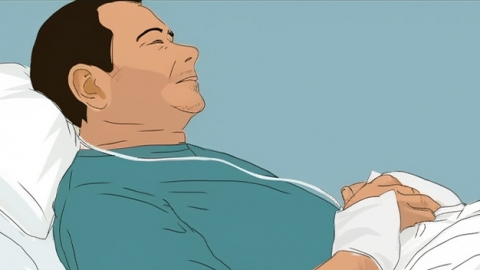
3. Symptomatic Management: For high fever, apply physical cooling methods or antipyretic medications; provide appropriate analgesia for significant pain; initiate oxygen therapy or mechanical ventilation promptly if respiratory failure occurs, to maintain stable vital signs.
4. Organ Function Protection: Monitor liver, kidney, cardiovascular, and other organ functions. Use hepatoprotective and nephroprotective agents when necessary, correct electrolyte imbalances, prevent multiple organ dysfunction syndrome, and reduce mortality risk.
5. Removal of Infection Source: Once the site of infection is identified, promptly eliminate the infectious focus via surgical intervention or percutaneous drainage—such as incision and drainage of abscesses or debridement of necrotic tissue—to halt disease progression at its root.
During recovery, ensure adequate nutritional intake with high-protein, vitamin-rich foods, maintain regular作息 (sleep-wake cycles), avoid overexertion, engage in moderate gentle exercises to strengthen physical condition, keep a positive mood, and schedule regular follow-up visits to monitor health status.




