What tests do hospitals perform for formaldehyde poisoning?
Nov 25, 2025
Source: Cainiu Health

Dr. Ren Yi
Introduction
After formaldehyde poisoning, hospitals typically assess the condition and guide treatment through complete blood count, blood gas analysis, chest imaging, liver and kidney function tests, and evaluation of formaldehyde exposure history. These tests work together to provide a comprehensive assessment of the severity of formaldehyde poisoning. In daily life, it is important to ensure proper indoor ventilation, avoid prolonged exposure to formaldehyde, and reduce the risk of poisoning.
After formaldehyde poisoning, hospitals typically determine the condition and provide a basis for treatment through routine blood tests, blood gas analysis, chest imaging, liver and kidney function tests, and assessment of formaldehyde exposure history. The details are as follows:
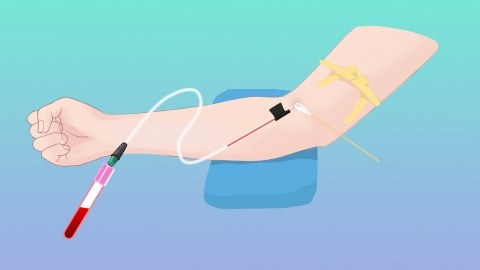
1. Routine Blood Test: This primarily monitors changes in indicators such as white blood cells, red blood cells, and platelets. Acute formaldehyde poisoning may irritate the respiratory mucosa, triggering an inflammatory response and leading to elevated white blood cell counts. Long-term exposure may affect hematopoietic function, causing abnormalities such as reduced red blood cells or platelets.
2. Blood Gas Analysis: This focuses on measuring partial pressures of oxygen and carbon dioxide, as well as blood pH. Formaldehyde strongly irritates the respiratory tract and may cause pulmonary edema and breathing difficulties, resulting in hypoxia. Blood gas analysis can promptly detect conditions such as hypoxemia and respiratory acidosis, guiding oxygen therapy strategies.
3. Chest Imaging: Commonly performed using chest X-rays or CT scans to evaluate lung lesions. Severe formaldehyde poisoning may lead to acute bronchitis or pulmonary edema, with imaging findings showing thickened and disordered lung markings or patchy hazy shadows, helping assess the extent of lung damage.
4. Liver and Kidney Function Tests: These evaluate liver and kidney injury by measuring markers such as transaminases, bilirubin, creatinine, and blood urea nitrogen. After entering the body, formaldehyde is mainly metabolized by the liver and excreted by the kidneys. Excessive intake increases the burden on these organs, potentially causing dysfunction; these tests help identify organ damage early.
5. Formaldehyde Exposure Assessment: Doctors will carefully inquire about the duration, concentration, mode of exposure, and environmental conditions related to formaldehyde contact. Combined with clinical symptoms, this helps rule out other similar diseases and confirm the diagnosis of formaldehyde poisoning.
These diagnostic procedures work together to comprehensively assess the severity of formaldehyde poisoning. In daily life, it's important to ensure proper indoor ventilation, avoid prolonged formaldehyde exposure, and reduce the risk of poisoning.