


How to treat a burn from hot water
Nov 25, 2025
Source: Cainiu Health

Dr. Liu Wenmin
Introduction
In general, the main steps for treating a burn from hot water include moving away from the heat source, rinsing the area with cool water, removing any covering materials, disinfecting and protecting the wound, and seeking medical treatment promptly. Burns should be treated quickly to prevent worsening of the injury. When using hot water in daily life, pay attention to the water temperature and adjust the water heater setting to below 50°C. If there are elderly people or young children at home, extra caution should be taken with kettles and hot water containers.
Generally, the main steps for treating a burn from hot water include moving away from the heat source, rinsing with cool water, removing covering materials, disinfecting and protecting the wound, and seeking timely medical treatment. Prompt action is essential when a burn occurs to prevent worsening of the injury. Specific measures are as follows:
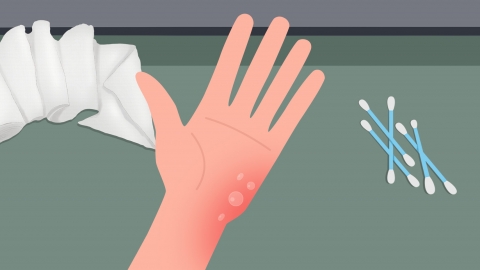
1. Move away from the heat source
Immediately discontinue contact with hot water to prevent prolonged heat exposure that could allow thermal energy to penetrate deeper into tissues, thereby worsening damage to the skin and underlying tissue. If clothing soaked in hot water adheres to the skin, do not forcibly pull it off, to avoid causing secondary injuries.
2. Rinse with cool water
Use flowing cool water at 15–20°C to rinse the burned area continuously for 15–20 minutes. This helps remove localized heat, reduce skin temperature, minimize further thermal damage to tissues, and alleviate pain.
3. Remove covering materials
After cooling the burned area, gently remove any overlying clothing. If the fabric sticks to the skin, use scissors to cut around the adhered area while leaving the stuck portion intact, and wait for medical professionals to handle it. Avoid forceful removal, which may cause skin breakdown.
4. Disinfect and protect the wound
Clean the wound with sterile saline solution, then apply iodine tincture or povidone-iodine for disinfection to prevent bacterial infection. After disinfection, cover the wound with sterile gauze to protect the injured area. Do not apply toothpaste, soy sauce, or other household substances, as they may interfere with medical assessment and increase the risk of infection.
5. Seek prompt medical treatment
Immediate hospital care is necessary if the burn covers a large area, blisters develop, the skin breaks open, or the injury affects sensitive areas such as the face or hands. Doctors will provide professional treatment based on the severity of the burn to prevent scarring and complications.
When using hot water in daily life, always check the temperature and set water heaters to below 50°C. For households with elderly individuals or young children, install protective guards around kettles, radiators, and other potential hazards. During recovery from a burn, keep the wound clean and dry, avoid friction, and maintain a light diet to promote healing.




