How to administer fluid replacement in ketoacidosis
Nov 25, 2025
Source: Cainiu Health

Dr. Huang Yuhong
Introduction
In treating diabetic ketoacidosis, fluid replacement generally follows several principles: rapid infusion to restore blood volume, adjusting the volume of fluids according to the degree of dehydration, continuously monitoring the response to fluid therapy, and integrating fluid management with other treatment measures. In the early stage of the condition, an intravenous access should be promptly established, and normal saline should be administered rapidly to quickly replenish circulating volume, improve tissue perfusion, and alleviate shock symptoms caused by dehydration.
Fluid replacement in diabetic ketoacidosis generally follows principles including rapid fluid infusion to restore blood volume, adjusting fluid volume according to the degree of dehydration, selecting appropriate types of fluids, continuously monitoring the effectiveness of fluid therapy, and integrating other treatment measures for comprehensive management. Specific details are as follows:
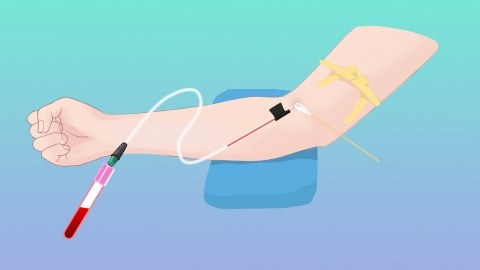
1. Rapid fluid infusion to restore blood volume: In the early stage of illness, an intravenous access should be rapidly established, and normal saline should be administered quickly to replenish blood volume within a short time, improve tissue perfusion, alleviate shock symptoms caused by dehydration, and create favorable conditions for subsequent treatments.
2. Adjusting fluid volume based on the degree of dehydration: Patients with mild dehydration require relatively less fluid, while those with moderate to severe dehydration need large volumes of fluid replacement. Physicians assess the degree of dehydration based on body weight and clinical signs, then develop individualized fluid replacement plans to avoid under- or over-hydration.
3. Selecting appropriate types of fluids: Initially, normal saline is primarily used. As blood glucose levels decrease, glucose solutions may be gradually added. Electrolytes such as potassium and sodium should also be supplemented to maintain electrolyte balance and prevent complications like hypokalemia.
4. Continuously monitoring fluid therapy effectiveness: Vital signs, urine output, blood glucose, and electrolyte levels must be closely monitored during fluid replacement. Infusion rates and fluid types should be adjusted promptly based on monitoring results to ensure safe and effective treatment.
5. Integrating other therapeutic measures with fluid therapy: While administering fluids, insulin should be used to lower blood glucose and correct acidosis. Underlying triggers such as infections should also be treated simultaneously, employing a multifaceted approach to improve the patient's condition.
Routine blood glucose monitoring, adherence to prescribed medications, balanced diet, and moderate physical activity in daily life are essential to prevent the occurrence of ketoacidosis.