What are the self-help methods for mild food poisoning?
Nov 25, 2025
Source: Cainiu Health

Dr. Huang Yuhong
Introduction
Self-care measures for mild food poisoning mainly include immediately stopping food intake, inducing vomiting to remove toxins, rehydrating with fluids, eating a light diet, and monitoring changes in symptoms. If discomfort occurs, prompt action should be taken to prevent worsening of symptoms. In daily life, it's important to ensure fresh ingredients, store and handle raw and cooked foods separately, and thoroughly cook food. Seek medical attention if symptoms worsen, or if fever or signs of dehydration develop.
Self-care measures for mild food poisoning mainly include immediately stopping food intake, inducing vomiting to eliminate toxins, rehydration, eating a light diet, and monitoring symptom changes. If discomfort occurs, prompt action should be taken to prevent worsening symptoms. Specific details are as follows:
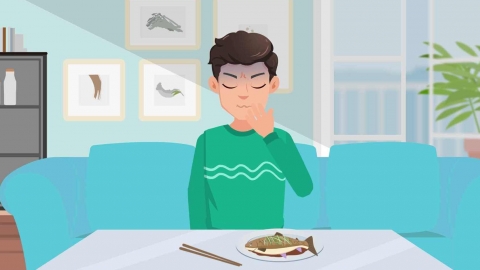
1. Immediately stop eating
Continuing to consume contaminated food increases toxin absorption and worsens bodily harm. Stop eating any suspected food immediately and preserve a sample for later identification of the cause.
2. Induce vomiting to eliminate toxins
Within 1–2 hours after ingestion and while still conscious, inducing vomiting can help reduce residual toxins. Use a finger to stimulate the back of the tongue to trigger vomiting and expel stomach contents. Keep the head tilted forward during the process to prevent choking on vomit.
3. Rehydration
Vomiting and diarrhea can easily lead to dehydration and electrolyte imbalance, so fluids must be replenished promptly. Drink warm water or lightly salted water in small amounts—100–150 mL at a time—and frequently, to avoid overburdening the gastrointestinal system.
4. Eat a light diet
The gastrointestinal mucosa remains sensitive after poisoning and requires minimal irritation. At the beginning of dietary recovery, choose liquid foods such as rice porridge or soft noodles. Avoid oily, spicy, raw, or cold foods, and gradually transition back to a normal diet.
5. Monitor symptom changes
Closely observe the frequency and severity of symptoms such as vomiting, diarrhea, and abdominal pain, and pay attention to changes in body temperature. Accurately record symptom progression to provide reliable information if medical care becomes necessary.
In daily life, ensure ingredients are fresh, store and handle raw and cooked foods separately, and thoroughly cook all food. If symptoms worsen, high fever develops, or signs of dehydration appear, seek immediate medical attention and do not self-medicate with anti-diarrheal drugs.