


Do you need treatment for tinnitus?
Nov 26, 2025
Source: Cainiu Health

Dr. Lu Cheng
Introduction
In general, whether tinnitus requires treatment should be determined by a comprehensive assessment of various factors, including the nature, severity, duration, and impact on daily life. If discomfort occurs, timely medical consultation is recommended. Avoid prolonged exposure to noisy environments, and wear earplugs when necessary to protect hearing. Maintain regular作息 (daily routines), avoid staying up late, and ensure adequate sleep to relieve fatigue.
Generally, whether tinnitus requires treatment depends on a comprehensive assessment of various factors, including the nature, severity, duration, and impact on daily life. If discomfort occurs, it is recommended to seek medical attention promptly. The specific analysis is as follows:
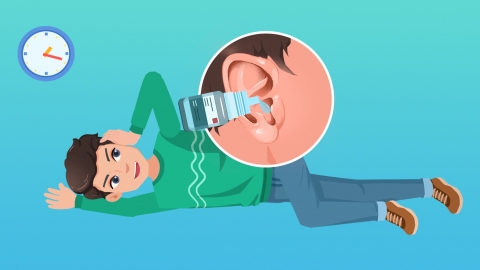
Tinnitus that is brief, occasional, mild, and does not affect daily life usually does not require special treatment. This type of tinnitus is often triggered by temporary factors such as fatigue, stress, or noise exposure. The sound is soft and short-lived, and symptoms can resolve spontaneously through rest and emotional regulation. The body can naturally return to normal without excessive intervention.
Persistent tinnitus with loud sounds or accompanied by other symptoms requires timely treatment. If tinnitus lasts longer than one week, is loud enough to interfere with sleep or work, or is associated with hearing loss, dizziness, ear pain, or similar symptoms, it may be caused by ear diseases, nerve disorders, or other underlying conditions. Without proper treatment, symptoms may worsen and significantly affect quality of life. Therefore, identifying the cause and receiving targeted treatment is essential.
Avoid prolonged exposure to noisy environments; use earplugs when necessary to protect hearing. Maintain regular sleep patterns, avoid staying up late, and ensure adequate sleep to relieve fatigue. Learn to manage emotions and reduce stress through exercise, meditation, or similar methods. Follow a light diet and reduce intake of coffee and strong tea. Seek medical advice promptly if tinnitus worsens or is accompanied by other discomforts to identify the underlying cause.






