


Can ear blockage heal on its own?
Nov 26, 2025
Source: Cainiu Health

Dr. Lu Cheng
Introduction
In general, whether ear blockage can resolve on its own depends on the specific cause and severity of the condition. If discomfort persists, it is advisable to seek medical attention promptly for proper evaluation. Avoid frequently and forcefully cleaning the ears to prevent injury to the ear canal or eardrum. Protect the ears during bathing and dry any water that enters the ear promptly. Avoid forceful nose-blowing when having a cold to reduce irritation to the Eustachian tube.
Generally, whether ear blockage can resolve on its own depends on the specific cause and severity of the condition. If discomfort persists, it is advisable to seek timely medical evaluation. The detailed analysis is as follows:
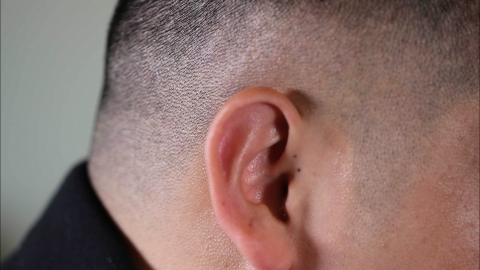
Ear blockage caused by mild external auditory canal obstruction or temporary dysfunction of the Eustachian tube may resolve spontaneously. For instance, minor water entry into the ear canal or slight cerumen accumulation may lead to a blocked sensation, which typically subsides once the water evaporates or the earwax is naturally expelled. Similarly, blockage due to temporary Eustachian tube dysfunction during a cold often resolves on its own as the cold improves and normal tube function is restored, reestablishing pressure balance.
Blockage resulting from organic diseases or severe infections generally does not resolve without treatment. Conditions such as severe cerumen impaction, tympanic membrane perforation, otitis media, or inner ear disorders can cause persistent ear fullness. Without timely intervention, these conditions may worsen. Professional medical treatment is required to address the underlying cause, as spontaneous recovery through natural bodily regulation is unlikely.
Avoid frequently and forcefully cleaning the ears to prevent injury to the ear canal or eardrum. Protect the ears during bathing and promptly dry any water that enters. Avoid forceful nose-blowing when having a cold to reduce irritation to the Eustachian tube. Maintain adequate indoor humidity and avoid prolonged exposure to dry environments. Seek prompt medical attention if the sensation of blockage persists or is accompanied by pain or hearing loss.



