


What should I do if my ear feels blocked?
Dec 01, 2025
Source: Cainiu Health

Dr. Lu Cheng
Introduction
Ear stuffiness usually refers to discomfort such as a sensation of fullness or blockage in the ear. It can be improved through methods like swallowing with gentle nose blowing (Valsalva maneuver), pressing on the tragus, applying warm compresses to the ear, cleaning the ear canal, and treating underlying conditions. It is commonly associated with Eustachian tube dysfunction or ear canal blockage. If the stuffiness persists for more than one week or is accompanied by ear pain or hearing loss, prompt medical evaluation is recommended.
Ear blockage, commonly referred to as a sensation of fullness or stuffiness in the ear, typically involves symptoms such as muffled hearing or a feeling of blockage. This condition can be improved through methods including swallowing and puffing maneuvers, pressing the ear flap, warm compresses, ear canal cleaning, and treating underlying conditions. It is often associated with eustachian tube dysfunction or ear canal obstruction. If the blockage persists for more than one week or is accompanied by ear pain or hearing loss, prompt medical attention is recommended.
1. Swallowing and Puffing Maneuver: Repeatedly perform swallowing motions or gently pinch your nostrils and blow gently to create airflow that helps equalize middle ear pressure, relieving blockage caused by eustachian tube dysfunction. Avoid excessive force to prevent damaging the eardrum.
2. Pressing the Tragus Method: Gently press the tragus (the small flap in front of the ear canal) with your finger and quickly release it, repeating several times. This creates slight pressure changes that may help clear mild outer ear canal blockages or relieve ear fullness due to pressure shifts.
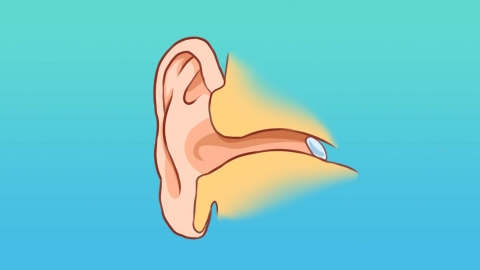
3. Warm Compress Method: Apply a warm towel to the affected ear to promote local blood circulation and relax muscles around the eustachian tube, aiding its normal ventilation function and alleviating discomfort.
4. Ear Canal Cleaning: If earwax buildup is causing the blockage, gently clean visible wax from the outer ear canal using a cotton swab. Avoid inserting anything deeply into the ear canal to prevent eardrum injury. Seek professional help when necessary.
5. Treating Underlying Conditions: Colds, rhinitis, or sinusitis may contribute to ear blockage. Actively manage these conditions to reduce nasal secretions that may obstruct the eustachian tube, thereby addressing the root cause of ear fullness.
In daily life, avoid frequent ear picking and keep the ear canal dry and clean. When blowing your nose, avoid forceful bilateral blowing; instead, gently blow one nostril at a time. Also, avoid prolonged exposure to noisy environments or places with rapid air pressure changes to protect ear health.



