What does deviated nasal septum mean?
Nov 26, 2025
Source: Cainiu Health

Dr. Lu Cheng
Introduction
In general, deviated nasal septum refers to an anatomical abnormality in which the nasal septum inside the nasal cavity is displaced from its normal position, shifting to one or both sides, resulting in irregular or narrowed nasal passages. For daily care, it is important to keep the nasal cavity clean and moist; saline solution can be used to rinse the nasal cavity to reduce dryness and accumulation of secretions. Avoid forceful nose-blowing or picking the nose.
In general, nasal septal deviation refers to an anatomical abnormality in which the nasal septum—the structure inside the nasal cavity that separates the left and right sides—deviates from its normal central position, bending toward one or both sides, resulting in irregular or narrowed nasal passages. A detailed explanation is as follows:
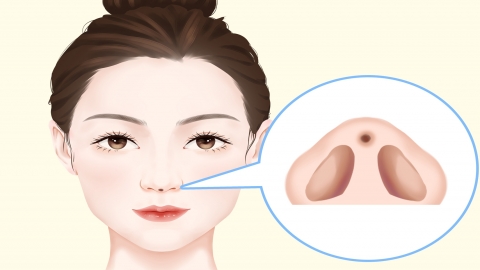
Nasal septal deviation occurs when the septum, which divides the two nasal cavities, shifts away from the midline and bends to one or both sides, or develops localized protrusions, leading to impaired nasal function. Most cases are caused by congenital developmental abnormalities, where uneven growth of bone and cartilage during embryonic development or adolescence results in a curved septum. Some cases result from trauma, such as nasal impacts or falls, which can cause fractures or displacement of the septal bone or cartilage, followed by poor healing. Additionally, long-term pressure from intranasal tumors or polyps may gradually deform and displace the nasal septum.
For daily care, it's important to keep the nasal cavity clean and moist. Saline solution can be used to rinse the nose, reducing dryness and mucus buildup. Avoid forceful nose-blowing or picking the nose to prevent mucosal injury, bleeding, or infection. Protect the nose from external impacts. If symptoms such as worsening nasal congestion, bloody nasal discharge, or headaches occur, seek medical evaluation promptly.