


Is sneezing and runny nose upon exposure to cold air a sign of rhinitis?
Nov 26, 2025
Source: Cainiu Health

Dr. Lu Cheng
Introduction
If, in addition to sneezing and runny nose triggered by cold air, symptoms such as nasal itching, eye itching, and nasal congestion are also present, and these symptoms recur frequently and persist for prolonged periods, the condition is likely allergic rhinitis or vasomotor rhinitis. Cold air acts as a trigger, provoking hypersensitive reactions in the nasal mucosa, leading to histamine release or abnormal blood vessel constriction, thereby causing the aforementioned symptoms.
Generally, sneezing and runny nose triggered by exposure to cold air may indicate allergic rhinitis or vasomotor rhinitis, but could also be a normal physiological response. A proper assessment should be made based on other accompanying symptoms. If in doubt, it is advisable to consult a doctor in advance. Specific analysis is as follows:
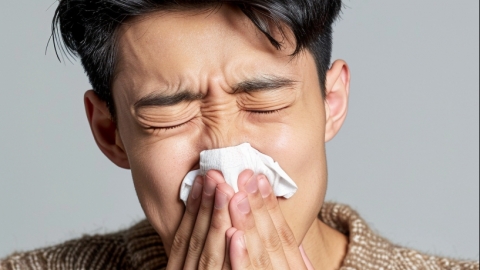
If, in addition to sneezing and runny nose upon exposure to cold air, symptoms such as nasal itching, itchy eyes, and nasal congestion are also present—and these occur repeatedly and persist for prolonged periods—it is likely due to allergic rhinitis or vasomotor rhinitis. Cold air acts as a trigger, provoking hypersensitivity of the nasal mucosa, leading to histamine release or abnormal blood vessel constriction, thus causing the aforementioned symptoms.
If sneezing and runny nose only occur briefly upon sudden exposure to cold air, without any other discomfort, and resolve spontaneously shortly afterward, this may represent a normal physiological regulation of the nasal cavity in response to temperature changes. When nasal mucosa is stimulated by cold air, the body may secrete mucus and induce sneezing to expel irritants—a self-protective mechanism that does not necessarily indicate rhinitis.
If symptoms frequently interfere with daily life, or are accompanied by headaches, reduced sense of smell, or similar issues, timely medical evaluation is recommended. In daily life, wearing a mask when exposed to cold air can help reduce irritation, maintain nasal hygiene, and avoid forceful nose-blowing, which might worsen mucosal sensitivity.



