


What are the symptoms of a cold and fever caused by wind-cold?
Dec 10, 2025
Source: Cainiu Health

Dr. Sun Lianqing
Introduction
Wind-cold type of common cold is generally characterized by mild fever, obvious chills and aversion to cold, nasal congestion with clear runny nose, body aches, fatigue, and cough with thin, white sputum. Mild fever: The fever caused by wind-cold感冒 typically does not result in high body temperature. It mostly falls within the range of low-grade or moderate fever, with a relatively gradual increase in body temperature, and sudden high fever is uncommon.
Common symptoms of wind-cold感冒 (common cold due to wind-cold invasion) include mild fever, pronounced sensitivity to cold, nasal congestion with clear runny nose, body aches and fatigue, and cough with thin, white phlegm. A detailed analysis is as follows:
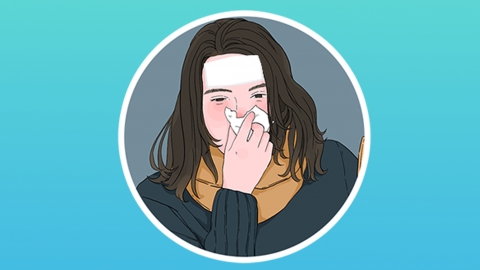
1. Mild fever: Fever caused by wind-cold感冒 usually presents as low-grade or moderate fever. The body temperature rises gradually and does not spike suddenly.
2. Pronounced sensitivity to cold: Patients feel noticeably chilly and prefer to curl up in warm environments. The sensation of coldness may ease somewhat when wearing additional clothing or covered with blankets.
3. Nasal congestion with clear runny nose: The nasal mucosa becomes congested and swollen due to wind-cold stimulation, leading to nasal blockage and the discharge of watery, clear mucus. Yellow or thick nasal discharge is typically absent.
4. Body aches and fatigue: Wind-cold pathogens invade the body's meridians, causing soreness and pain in muscles and joints. Patients also experience significant physical fatigue, and discomfort tends to worsen with activity.
5. Cough with thin, white phlegm: The respiratory tract, irritated by wind-cold, triggers coughing. The sputum produced is generally thin and white in color. Yellow or thick phlegm is uncommon, and sore throat is typically not present during coughing episodes.
When experiencing symptoms of wind-cold感冒 with fever, it is important to drink plenty of warm water, maintain adequate body warmth, eat light and easily digestible foods, and seek timely medical attention for proper treatment if symptoms worsen.




