


What are the symptoms of nasal inflammation (or "excessive internal heat" affecting the nose)?
Nov 27, 2025
Source: Cainiu Health

Dr. Sun Lianqing
Introduction
When the nose becomes overheated ("on fire"), common symptoms include dryness and heat in the nasal cavity, redness and congestion of the nasal mucosa, thick and scanty nasal discharge, acne or peeling skin around the nostrils, and occasional nosebleeds. In the early stages of nasal overheating, a dry sensation inside the nasal cavity often occurs, accompanied by mild burning discomfort. Airflow during breathing may feel irritating to the nasal mucosa, with symptoms becoming more pronounced in dry environments or when fluid intake is insufficient.
When the nose is affected by "excessive internal heat" (a traditional Chinese medicine concept), common symptoms include dryness and a burning sensation in the nasal cavity, redness and congestion of the nasal mucosa, thick and scanty nasal discharge, acne or peeling skin around the nostrils, and occasional nosebleeds. Details are as follows:
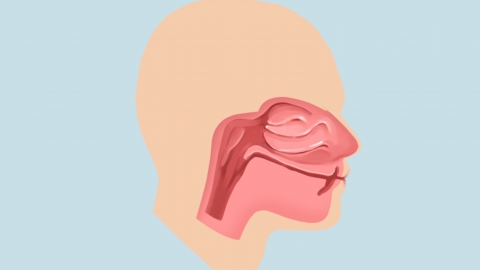
1. Nasal dryness and burning: In the early stages of nasal "heatiness," a dry feeling inside the nasal cavity often occurs, accompanied by mild burning discomfort. Breathing may feel irritating to the nasal mucosa, especially in dry environments or when fluid intake is insufficient. In severe cases, this can affect normal breathing.
2. Redness and congestion of nasal mucosa: Upon examination, the nasal mucosa appears reddened and visibly congested or swollen. Some areas may show slight protrusion, and pressing on the wings of the nose may cause mild tenderness, affecting nasal airflow.
3. Thick and scanty nasal discharge: The consistency of nasal mucus changes from clear and watery to thick, cloudy, and reduced in volume. It may be difficult to blow out, and some individuals may notice small amounts of dried crusts when clearing the nose—forceful cleaning may lead to discomfort.
4. Acne and peeling around the nostrils: The skin around the nostrils may develop small red pimples or comedones due to "internal heat," accompanied by mild itching or pain. The area also becomes dry and flaky, particularly at the junctions between the sides of the nose and upper lip.
5. Occasional nosebleeds: Due to dryness and congestion, the nasal mucosa becomes fragile. Minor stimuli such as nose-blowing or touching may cause mucosal rupture and bleeding. The blood loss is usually minimal, appearing as drops, and stops spontaneously, though episodes may recur.
After experiencing symptoms of nasal "heatiness," it's important to increase water intake, consume more fresh fruits and vegetables, and avoid spicy or irritating foods. Using saline nasal sprays can help moisturize the nasal passages and relieve dryness. If symptoms persist for more than one week or are accompanied by severe pain or heavy bleeding, prompt medical evaluation is recommended to rule out other nasal conditions.






