


How to effectively relieve severe headaches caused by sinusitis
Nov 27, 2025
Source: Cainiu Health

Dr. Lu Cheng
Introduction
Severe headaches caused by sinusitis can be effectively relieved through proper use of analgesic medications, nasal ventilation and drainage, local physical soothing, adjusting body position for rest, and controlling the source of inflammation. Targeted management is necessary to prevent worsening pain. If headache is accompanied by high fever, vomiting, altered consciousness, or severe orbital pain, prompt medical attention is recommended. Take non-steroidal anti-inflammatory drugs under a doctor's guidance.
Sinus headaches can be severe, but they can be effectively relieved through proper use of pain medications, nasal ventilation and drainage, local physical soothing, adjusting body position for rest, and controlling the source of inflammation. Targeted management is necessary to prevent worsening pain. If headache is accompanied by high fever, vomiting, confusion, or severe orbital pain, prompt medical attention is recommended.
1. Proper use of pain medications: Take nonsteroidal anti-inflammatory drugs (NSAIDs) under medical guidance to relieve headache and reduce sinus inflammatory response. Avoid self-increasing dosage or long-term use. Use these in combination with standard sinusitis treatments for comprehensive symptom control.
2. Nasal ventilation and drainage: Use a nasal decongestant spray to constrict nasal mucosa and quickly improve nasal congestion. Then rinse the nasal cavity with saline solution to remove purulent secretions, reduce sinus pressure, and alleviate headache caused by poor sinus drainage.
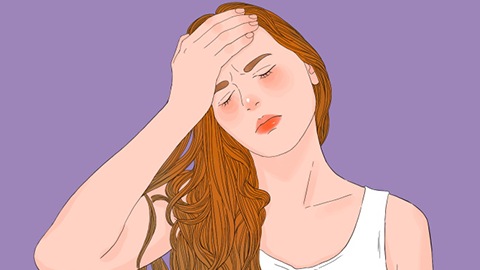
3. Local physical soothing: Apply a warm towel or hot water bag to the root of the nose, forehead, and cheek areas for 15–20 minutes per session. This improves blood circulation in the sinuses, relaxes tense muscles, and helps relieve pressure and pain. Avoid excessive heat to prevent skin burns.
4. Adjusting body position for rest: Rest in a semi-reclining or sitting position with the head appropriately elevated to reduce accumulation of purulent secretions in the sinuses and decrease pressure on the sinus mucosa. Avoid bending forward or other actions that increase head congestion. Ensure adequate rest.
5. Controlling the source of inflammation: If bacterial infection is confirmed, take antibiotics as prescribed—adequate dose and full course—to thoroughly control sinus inflammation and eliminate the root cause of headache. Also avoid allergens and irritating gases to prevent worsening inflammation.
Maintain appropriate indoor humidity to prevent dryness and nasal irritation. Follow a light, easily digestible diet, drink plenty of warm water to help thin secretions, and reduce intake of spicy or cold foods. Engage in moderate exercise to boost immunity and reduce the risk of recurrent sinusitis and associated headaches.






