


How to stop snoring
Nov 27, 2025
Source: Cainiu Health

Dr. Ren Yi
Introduction
To improve snoring, you can generally adjust your sleeping position, maintain a healthy weight, keep nasal passages clear, avoid stimulants before bedtime, and choose an appropriate pillow. Try to sleep on your side rather than on your back. When lying on your back, the tongue and soft palate are more likely to fall backward, obstructing the airway and causing snoring. Side sleeping reduces airway pressure, allows smoother airflow, and decreases the frequency of snoring.
To improve snoring, you can generally adjust your sleeping posture, control body weight, keep nasal passages clear, avoid pre-sleep stimulants, and choose an appropriate pillow. Specific details are as follows:
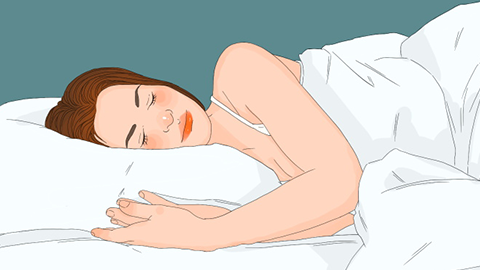
1. Adjust sleeping posture: Try to sleep on your side rather than on your back. When lying supine, the tongue and soft palate are more likely to fall backward and block the airway, causing snoring. Side sleeping reduces airway compression, allowing smoother airflow and decreasing snoring frequency. Placing a small pillow behind your back can help maintain the side-lying position.
2. Control body weight: If overweight, reduce weight through balanced diet and moderate exercise. Excess fat in the neck can compress the airway, narrowing it and worsening snoring. Weight loss helps decrease neck fat accumulation, enlarges airway space, and alleviates snoring symptoms.
3. Keep nasal passages clear: If nasal congestion occurs (e.g., due to rhinitis or a stuffy nose), address it promptly. Use saline solution to rinse the nasal cavity, or take appropriate medications under medical guidance to relieve congestion. Clear nasal passages allow air to flow smoothly, preventing mouth breathing caused by nasal blockage and thereby reducing snoring.
4. Avoid pre-sleep stimulants: Avoid drinking alcohol, smoking, or taking sedatives within 1–2 hours before bedtime. Alcohol and sedative drugs relax the muscles in the throat, leading to muscle sagging that obstructs the airway and worsens snoring. Smoking irritates respiratory mucosa, causing inflammation and swelling that impair airflow—these should be strictly avoided.
5. Choose a suitable pillow: Select a pillow with an appropriate height—neither too high nor too low. Improper pillow height may cause excessive bending or stretching of the neck, compressing the airway. A proper pillow supports the natural curvature of the cervical spine, keeps the airway open, and reduces snoring.
If snoring is accompanied by symptoms such as breathing pauses, nighttime awakenings due to breathlessness, or excessive daytime sleepiness, seek medical evaluation promptly. Maintaining healthy lifestyle habits long-term and regularly adjusting sleep environment and physical condition can more effectively improve snoring and enhance sleep quality.




