


What should a pregnant woman do if she has a nosebleed?
Nov 27, 2025
Source: Cainiu Health

Dr. Zhang Lu
Introduction
Nosebleeds during pregnancy may be caused by hormonal changes, dry air irritation, mechanical injury to the nasal mucosa, allergic rhinitis, or gestational hypertension. It is recommended to seek medical attention promptly, identify the underlying cause, and then improve the condition through general measures or medication under a doctor's guidance. Maintain a light diet in daily life and consume more fresh fruits and vegetables rich in vitamin C, such as oranges and spinach.
In general, nosebleeds in pregnant women may be caused by hormonal changes during pregnancy, dry air irritation, mechanical injury to the nasal mucosa, allergic rhinitis, or gestational hypertension. It is recommended to seek medical attention promptly, identify the underlying cause, and then improve the condition through general management, medication, or other methods under a doctor's guidance. Specific analyses are as follows:
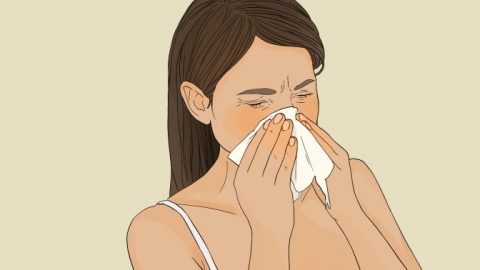
1. Hormonal changes during pregnancy: Elevated estrogen levels during pregnancy can cause dilation and increased fragility of blood vessels in the nasal mucosa, making them prone to rupture and bleeding. Avoid forceful nose-blowing or picking the nose. When experiencing a nosebleed, sit upright and lean slightly forward, pinch both sides of the nostrils for 5–10 minutes to stop the bleeding, and use a physiological saline nasal spray regularly to keep the mucosa moist.
2. Dry air irritation: In low-humidity environments, the nasal mucosa in pregnant women loses moisture quickly, becoming dry and prone to cracking and bleeding. Use a humidifier indoors to maintain humidity between 50% and 60%, drink plenty of warm water daily, and avoid staying for long periods in environments with direct exposure to air conditioning or heating systems.
3. Mechanical injury to the nasal mucosa: Excessive force when blowing the nose, scratching the nasal mucosa with fingernails, or irritation from foreign bodies inside the nasal cavity may all lead to bleeding. Immediately discontinue any irritating actions. Apply a cold towel to the bridge of the nose during bleeding to constrict blood vessels. Use soft tissues to gently wipe the nasal area in daily life and keep fingernails trimmed short.
4. Allergic rhinitis: After exposure to allergens such as pollen or dust mites, the nasal mucosa becomes congested and swollen. Scratching due to itching may easily cause bleeding. Patients should follow medical advice to use medications such as loratadine tablets, physiological saline nasal spray, or budesonide nasal spray, and wear a mask outdoors to avoid allergens.
5. Gestational hypertension: Increased blood pressure during pregnancy raises pressure in the nasal blood vessels, increasing the risk of rupture and bleeding, which may be accompanied by dizziness and blurred vision. Patients should take antihypertensive medications such as labetalol tablets, methyldopa tablets, or nifedipine sustained-release tablets as prescribed, and monitor blood pressure regularly.
Maintain a light diet, consume more fresh fruits and vegetables rich in vitamin C—such as oranges and spinach—to enhance blood vessel elasticity. Avoid spicy and irritating foods, maintain regular sleep patterns without staying up late, stay emotionally balanced, and reduce factors that may trigger nosebleeds.



