


What causes dryness in the nose and difficulty breathing, and what should be done about it?
Nov 27, 2025
Source: Cainiu Health

Dr. Lu Cheng
Introduction
Dry nose and difficulty breathing may be caused by dry environment, dehydration, insufficient daily water intake, atrophic rhinitis, allergic rhinitis, nasal polyps, or other reasons. It is recommended to seek medical attention promptly, identify the underlying cause, and then improve symptoms under a doctor's guidance through general management, medication, or other treatments. Maintain a light diet in daily life, eat more fresh fruits and vegetables rich in vitamins, and avoid spicy and irritating foods.
Generally, a dry nose accompanied by difficulty breathing may be caused by factors such as dry environment, inadequate daily water intake, atrophic rhinitis, allergic rhinitis, or nasal polyps. It is recommended to seek medical attention promptly, identify the underlying cause, and then improve symptoms under a doctor's guidance through general management, medication, and other treatments. Specific analyses are as follows:
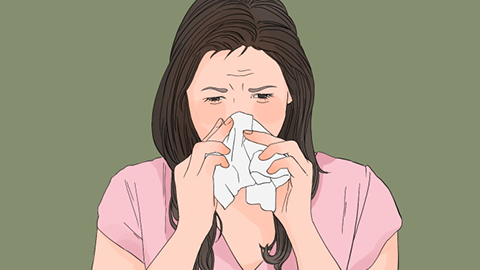
1. Dry environment with low humidity: When air humidity is extremely low, moisture in the nasal mucosa evaporates rapidly, leading to dryness, crusting, and blockage of the airway, causing a sensation of breathlessness. Using a humidifier indoors to maintain humidity between 50%–60%, and applying a warm towel compress to the nose for 10 minutes can help soften nasal crusts.
2. Inadequate daily water intake: Prolonged lack of hydration reduces the secretory function of the nasal mucosa. A dry mucosal surface cannot perform normal ventilation. Develop a habit of drinking water regularly—about 150 mL of warm water each time—avoiding excessive single intakes, to keep the mucosa moist.
3. Atrophic rhinitis: Long-term exposure to dust or cooking fumes can lead to drying and atrophy of the nasal mucosa, reduced secretions, resulting in both dryness and impaired airflow, often accompanied by a burning sensation in the nose. Patients should follow medical advice to use medications such as compound menthol nasal drops, saline nasal spray, and vitamin AD drops, while avoiding irritating environments.
4. Allergic rhinitis: After exposure to allergens like pollen or house dust mites, nasal mucosal congestion and edema block the airway. The allergic reaction also suppresses mucosal secretion, causing dryness, along with nasal itching and sneezing. Patients should take medications such as loratadine tablets, mometasone furoate nasal spray, or cetirizine hydrochloride drops as directed by a physician to relieve symptoms.
5. Nasal polyps: Chronic inflammation causes the nasal mucosa to proliferate and form polyps, which obstruct the nasal passage and cause breathing difficulties. Polyps may also disrupt normal mucosal secretion, leading to dryness. Initial treatment may include medications prescribed by a doctor, such as budesonide nasal spray, cefixime dispersible tablets, and montelukast sodium chewable tablets.
Maintain a light diet, consume more fresh fruits and vegetables rich in vitamins, and avoid spicy or irritating foods. Avoid picking the nose or blowing it forcefully to prevent damage to the nasal mucosa.


