


What diseases can be triggered if allergic rhinitis becomes severe?
Nov 27, 2025
Source: Cainiu Health

Dr. Lu Cheng
Introduction
Severe allergic rhinitis may trigger various associated conditions, commonly including allergic conjunctivitis, sinusitis, asthma, and nasal polyps. The nasal cavity and the eyes are connected via the nasolacrimal duct, allowing inflammation caused by severe allergic rhinitis to easily spread to the eyes. This can lead to symptoms such as conjunctival congestion, itching, tearing, and increased secretions, resulting in allergic conjunctivitis and worsening ocular discomfort.
Allergic rhinitis, when severe, may trigger various related conditions. Commonly associated diseases include allergic conjunctivitis, sinusitis, asthma, nasal polyps, and secretory otitis media. Detailed explanations are as follows:
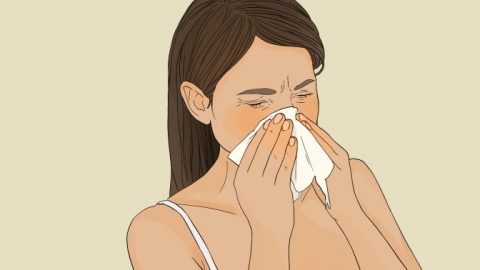
1. Allergic conjunctivitis: The nasal cavity and eyes are connected via the nasolacrimal duct. Inflammation caused by severe allergic rhinitis can easily spread to the eyes, leading to symptoms such as conjunctival congestion, itching, tearing, and increased secretions—resulting in allergic conjunctivitis and worsening eye discomfort.
2. Sinusitis: Allergic rhinitis causes swelling of the nasal mucosa, which can block the openings of the sinuses, preventing normal drainage of sinus secretions. This creates an environment conducive to bacterial or viral growth, thereby triggering sinusitis. Symptoms include worsened nasal congestion, purulent nasal discharge, headache, and reduced sense of smell.
3. Asthma: Since the nasal passages and airways are part of the same respiratory system, inflammatory responses from allergic rhinitis may spread through the respiratory tract to the lower airways, stimulating bronchial constriction and triggering asthma. This manifests as coughing, wheezing, chest tightness, and shortness of breath, potentially impairing respiratory function in severe cases.
4. Nasal polyps: Long-standing, severe allergic rhinitis can lead to repeated edema and hyperplasia of the nasal mucosa, gradually forming nasal polyps. These polyps further exacerbate nasal obstruction, significantly reduce the sense of smell, and may block sinus openings, thus triggering or worsening sinusitis.
5. Secretory otitis media: Mucosal swelling in the nasal cavity due to allergic rhinitis can compress the opening of the Eustachian tube, causing dysfunction. This leads to negative pressure within the middle ear cavity, resulting in secretory otitis media. Symptoms include ear fullness, hearing loss, and tinnitus, particularly common among children.
Once symptoms of allergic rhinitis appear, timely and standardized treatment is necessary to control inflammation progression. It's also important to avoid allergens in daily life to reduce disease flare-ups.







