What foods should not be eaten with Schizonepeta (Jing Jie)?
Dec 12, 2025
Source: Cainiu Health

Dr. Huang Yuhong
Introduction
Schizonepeta (Jingjie) is warm in nature and pungent in taste, with effects including relieving exterior syndromes, dispelling cold, promoting eruption of rashes, and alleviating itching. When consuming Schizonepeta, one should avoid foods that have opposing properties or may trigger discomfort. Commonly incompatible foods include raw and cold vegetables, spicy and irritating vegetables, greasy and heavy vegetables, sour and astringent vegetables, and vegetables that are prone to cause allergies. Additionally, precautions and contraindications should be observed when using Schizonepeta.
Nepeta (Schizonepeta) is warm in nature and pungent in taste, possessing effects such as relieving the exterior, dispelling cold, promoting eruption of rashes, and alleviating itching. When consuming it, one should avoid foods with opposing properties or those likely to cause discomfort. Commonly incompatible foods include raw and cold vegetables, spicy and stimulating vegetables, greasy and heavy dishes, astringent-sour vegetables, and allergenic vegetables. A detailed analysis is as follows:
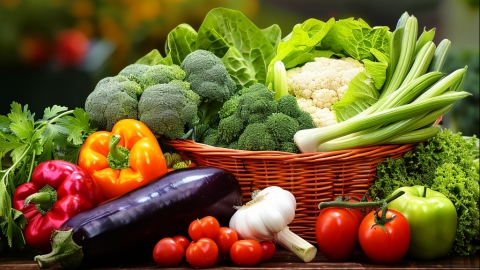
1. Raw, cold, and cooling vegetables: such as bitter gourd, cucumber, wax gourd, and lettuce. These vegetables are inherently cold in nature, while Nepeta is warming. Consuming them together may neutralize the warming effect of Nepeta. Particularly for individuals with weak spleen and stomach function, this combination can easily lead to gastrointestinal discomfort such as bloating, diarrhea, and abdominal pain, impairing digestive function.
2. Spicy and stimulating vegetables: such as chili peppers, Sichuan pepper, ginger, and garlic. Nepeta naturally contains volatile oils and has mild irritant properties. When consumed together with these spicy vegetables, the irritation to the gastrointestinal mucosa may intensify, potentially causing symptoms like dry mouth, tongue irritation, stomach pain, and acid reflux. Individuals with a hot constitution should especially avoid this combination.
3. Greasy and heavy vegetables: such as dishes cooked with fatty meat, fried eggplant, or braised string beans in oil. These foods are oily and difficult to digest. Since Nepeta is warm in nature and may promote dampness, combining them can increase internal dampness,加重 the burden on spleen and stomach transformation and transportation functions, leading to poor appetite, nausea, and bodily heaviness.
4. Sour and astringent vegetables: such as purslane, Schisandra berries, and sorrel. These vegetables have sour and astringent properties, whereas the primary actions of Nepeta are to release the exterior, dispel cold, and promote rash eruption. When consumed together, they may hinder Nepeta’s dispersing action, reducing its therapeutic or dietary efficacy—especially during the early stages of a cold, this combination should be avoided.
5. Allergenic vegetables: such as celery, cilantro, and chrysanthemum greens. These vegetables belong to the same Apiaceae family as Nepeta or contain similar volatile oil components. For individuals with allergic constitutions, consuming them together may increase the risk of allergic reactions, such as skin itching, rashes, and throat discomfort. Therefore, caution is advised when combining them.
When consuming Nepeta, attention should also be paid to its contraindications and precautions. Dishes should be reasonably paired according to individual body constitution, intake should be moderated, and proper cooking methods followed, to ensure safety and suitability.