


How to treat seasonal rhinitis after the Start of Autumn
Nov 27, 2025
Source: Cainiu Health

Dr. Lu Cheng
Introduction
In general, seasonal allergic rhinitis after the "Liqiu" solar term may be caused by increased autumn pollen concentration, irritation from dry air, acute episodes of allergic rhinitis, chronic nasal mucosal inflammation, or secondary sinusitis. It is recommended to seek timely medical attention, identify the underlying cause, and then improve symptoms through general management, medication, or other treatments under a doctor's guidance.
Generally, seasonal allergic rhinitis after the "Start of Autumn" (Liqiu) may be caused by increased autumn pollen concentration, irritation from dry air, acute exacerbation of allergic rhinitis, chronic nasal mucosal inflammation, or secondary sinusitis. It is recommended to seek medical attention promptly, identify the underlying cause, and improve symptoms through general management and medication under a doctor's guidance. Specific analyses are as follows:
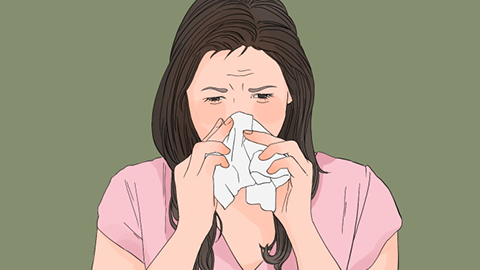
1. Increased autumn pollen concentration: After Liqiu, pollen from plants such as mugwort and ragweed spreads widely. Inhalation can irritate the nasal mucosa and trigger allergic reactions. Limit outdoor activities during high pollen periods; wear an N95 mask and protective goggles when going outside. Upon returning home, immediately rinse the nasal cavity, face, and change clothing.
2. Irritation from dry air: After Liqiu, humidity drops, causing rapid moisture loss in the nasal mucosa and weakening its protective barrier, making it more susceptible to irritation and rhinitis. Use a humidifier indoors to maintain humidity between 50%–60%. Perform nasal irrigation twice daily with physiological saline spray to keep the mucosa moist.
3. Acute exacerbation of allergic rhinitis: Pollen triggers immune responses in the nasal mucosa, leading to symptoms such as nasal itching, sneezing, and clear nasal discharge. Patients should follow medical advice to use medications such as loratadine tablets, mometasone furoate nasal spray, and cetirizine hydrochloride drops to quickly relieve allergic symptoms.
4. Chronic nasal mucosal inflammation: Acute rhinitis that has not been fully controlled may become chronic. Environmental changes after Liqiu can worsen symptoms, accompanied by nasal congestion and reduced sense of smell. Patients should use medications such as budesonide nasal spray, montelukast sodium chewable tablets, and eucalyptus-citrus-pine enteric soft capsules as prescribed to improve mucosal inflammatory conditions.
5. Secondary sinusitis: Prolonged untreated rhinitis may lead to sinus infection, resulting in purulent nasal discharge and headache, with inflammation further aggravating nasal discomfort. Patients should take medications such as cefixime dispersible tablets, amoxicillin-clavulanate potassium tablets, and fluticasone furoate nasal spray as directed by a physician to alleviate symptoms.
Maintain a light diet, avoid spicy foods, seafood, and other allergenic foods, and consume more fruits and vegetables rich in vitamin C to enhance immunity. Maintain regular sleep patterns and avoid staying up late. Keep indoor environments clean, regularly eliminate dust mites, and reduce triggers for rhinitis episodes.



