


Symptoms of Seasonal Allergic Rhinitis
Jun 08, 2022
Source: Cainiu Health

Dr. Guo Xiheng
Introduction
Patients often experience consecutive sneezing episodes—ranging from four to over a dozen—at a time, accompanied by profuse, watery nasal discharge; in severe cases, nasal discharge persists throughout the day. Nasal congestion may be intermittent or persistent, and unilateral or bilateral. Some patients exhibit hyposmia or anosmia. Seasonal rhinitis may be associated with systemic symptoms such as fatigue and a sensation of heaviness in the head. Seasonal rhinitis is typically seasonal allergic rhinitis and has a relatively high prevalence in the general population.
Rhinitis is a relatively common condition that not only harms the patient’s physical health but also significantly impairs quality of life. What, then, are the symptoms of seasonal rhinitis?
Symptoms of Seasonal Rhinitis
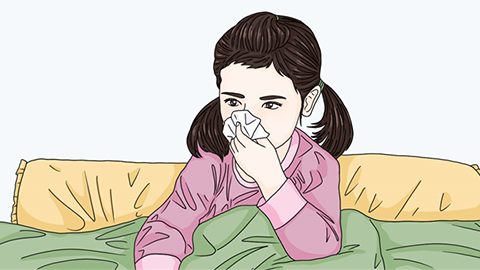
Typical symptoms of seasonal rhinitis include nasal itching, sneezing, profuse watery nasal discharge, and nasal congestion. Mild cases may involve slight itching or a sensation of “ants crawling” inside the nose; in more severe cases, patients cannot tolerate the discomfort—experiencing repeated, uncontrollable sneezing (often four or more times consecutively, sometimes up to a dozen or more), accompanied by copious watery nasal discharge. In severe instances, nasal discharge may persist throughout the day. Nasal congestion may be intermittent or persistent, and unilateral or bilateral. Some patients may experience reduced or lost sense of smell. Seasonal rhinitis may also cause systemic symptoms such as fatigue and a feeling of heaviness in the head. This condition is typically seasonal allergic rhinitis and has a relatively high prevalence in the general population.

For patients with more severe seasonal rhinitis, nasal decongestant sprays can help alleviate symptoms. After washing your hair each morning, administer two sprays into each nostril—this can effectively reduce sneezing and nasal discharge. Additionally, oral antirhinitis medications may also provide symptom relief. Upon waking each morning, continue washing your face with cold water: cup cold water in your hands, submerge the tip of your nose in the water, inhale gently to draw water into the nasal passages, then expel it. This cold-water stimulation technique aids nasal cleansing; consistent long-term practice can effectively relieve seasonal rhinitis.
Avoid spicy and irritating foods in daily life, drink plenty of water to promote metabolism, and engage in appropriate outdoor exercise to strengthen immunity. We hope this information proves helpful!








