


How to stop a sudden nosebleed
Nov 27, 2025
Source: Cainiu Health

Dr. Lu Cheng
Introduction
When experiencing sudden nosebleeds, you can quickly stop the bleeding by pinching the nostrils, leaning forward with your head lowered, applying a cold compress to the nose, using nasal packing, and maintaining a humid environment. If bleeding is difficult to control or recurs frequently, seek medical attention at a正规 hospital promptly. In daily life, avoid forcefully picking or rubbing your nose, keep fingernails trimmed and smooth to prevent injury to the nasal mucosa.
When sudden nosebleeds occur, you can quickly stop the bleeding by pinching the nostrils, leaning forward with your head down, applying a cold compress to the nose, using nasal packing, and maintaining a humid environment. If bleeding is difficult to control or recurs frequently, it's advisable to seek timely medical attention at a正规 hospital. Detailed instructions are as follows:
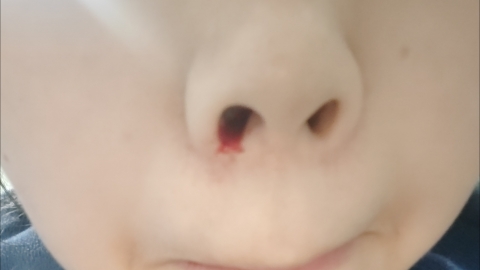
1. Pinch the nostrils
The front part of the nasal cavity contains abundant blood vessels and is the most common site of nosebleeds. Use your fingers to firmly pinch both sides of the nostrils and maintain pressure for 5–10 minutes. This directly compresses the bleeding vessel and stops blood flow. Avoid releasing the pressure during this time to check if bleeding has stopped, as this may disrupt clot formation. Apply moderate pressure—enough to stop the bleeding without causing severe pain.
2. Lean forward with head down
During a nosebleed, keep your head tilted forward rather than tilting it backward. This prevents blood from flowing backward into the throat or stomach, reducing risks of coughing or nausea. A forward head position allows blood to drain naturally from the nostrils, making it easier to monitor blood loss and minimizing irritation to the posterior nasal cavity, thereby aiding in hemostasis.
3. Apply a cold compress to the nose
Place a cold towel or ice pack on the bridge of the nose and around the nostrils. The cold temperature causes vasoconstriction of nasal blood vessels, reducing blood flow and helping control bleeding. Limit cold application to 10–15 minutes to avoid skin frostbite, and replace the towel periodically to maintain the cooling effect.
4. Nasal packing
Gently insert a clean medical cotton ball or gauze into the bleeding nostril. The packing material applies direct pressure on the bleeding site and absorbs blood, promoting clotting. Be careful not to pack too tightly, which could damage the nasal mucosa. After bleeding stops, remove the packing gently to prevent re-bleeding.
5. Maintain a humid environment
Dry air can make nasal mucosa fragile and worsen bleeding. When experiencing a nosebleed, use a humidifier nearby or gently wipe around the nasal area with a moistened cotton swab to increase ambient humidity. This helps relieve dryness of the nasal lining and supports hemostasis.
In daily life, avoid picking or rubbing your nose forcefully. Keep fingernails trimmed and smooth to prevent injury to the nasal mucosa. Maintain a light diet, drink plenty of water to keep nasal membranes hydrated, and reduce intake of spicy or irritating foods. If nosebleeds are frequent, heavy, or accompanied by symptoms such as dizziness or fatigue, seek prompt medical evaluation to identify underlying causes and prevent delayed treatment.





