


What should I do if a head CT scan reveals sinusitis?
Nov 27, 2025
Source: Cainiu Health

Dr. Lu Cheng
Introduction
A head CT scan has revealed sinusitis, which requires prompt specialist consultation to assess the severity of the condition, standardized medication, surgical intervention when necessary, and enhanced daily protection to prevent prolonged inflammation and complications. If symptoms such as persistent headache, purulent nasal discharge, fever, or blurred vision occur, immediate medical attention is recommended.
Paranasal sinusitis detected by cranial CT requires prompt management, including timely specialist consultation, assessment of disease severity, standardized medication, surgical intervention when necessary, and enhanced daily protection to prevent prolonged inflammation and complications. Seek immediate medical attention if symptoms such as persistent headache, purulent nasal discharge, fever, or blurred vision occur.
1. Timely Specialist Consultation: Visit an otolaryngologist (ENT specialist) promptly. Based on the CT findings and clinical symptoms, the doctor will evaluate the extent of sinus involvement and check for accompanying conditions such as nasal polyps or deviated septum. Avoid self-diagnosis to prevent treatment delays.
2. Assess Disease Severity: Differentiate between acute and chronic sinusitis using symptom presentation and CT imaging. Determine whether there is a risk of infection spread to guide accurate treatment decisions involving medications or surgery.
3. Standardized Medication: During acute episodes, take antibiotics as prescribed to control infection, combined with nasal decongestants and corticosteroids to relieve nasal congestion. For chronic cases, mucolytics and secretory agents may be added. Follow the full treatment course to prevent drug resistance.
4. Surgical Intervention When Necessary: If medical treatment fails, inflammation recurs frequently, or conditions such as nasal polyps or anatomical abnormalities of the sinuses are present, endoscopic sinus surgery may be considered. This minimally invasive procedure removes diseased tissue, restores sinus drainage, and preserves normal tissue function.
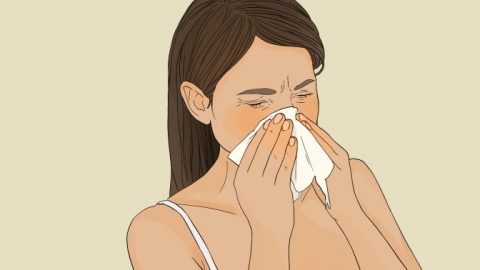
5. Strengthen Daily Protection: Avoid allergens such as pollen and dust, prevent respiratory infections that may worsen inflammation, and learn proper nose-blowing techniques—avoid blowing both nostrils forcefully at the same time to prevent spreading infection.
Maintain nasal hygiene in daily life; saline nasal irrigation can help relieve discomfort. Follow a light diet and avoid spicy or irritating foods. Maintain regular sleep patterns to strengthen immunity, and avoid smoking and exposure to secondhand smoke to reduce irritation of the sinus mucosa and promote recovery.



