


What causes sneezing and runny nose due to cold exposure in the nose, and what should be done?
Nov 27, 2025
Source: Cainiu Health

Dr. Lu Cheng
Introduction
In general, sneezing and runny nose caused by cold exposure may result from cold stimulation of nasal mucosa, nasal defense response, acute rhinitis, allergic rhinitis, or vasomotor rhinitis. It is recommended to seek timely medical attention, identify the underlying cause, and then improve symptoms through general management, medication, or other treatments under a doctor's guidance. In daily life, it is important to keep the nose warm and take preventive measures early, especially during seasonal transitions.
Generally, sneezing and runny nose caused by cold exposure to the nose may result from factors such as nasal mucosa stimulation due to cold, nasal defense response, acute rhinitis, allergic rhinitis, or vasomotor rhinitis. It is recommended to seek timely medical attention to determine the underlying cause and, under a doctor's guidance, improve symptoms through general management, medication, and other treatments. Specific analyses are as follows:
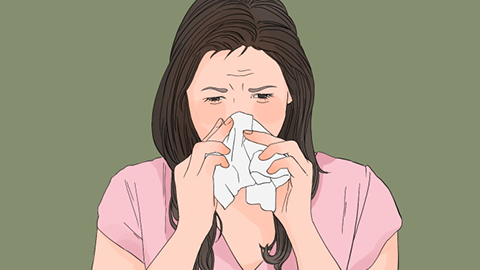
1. Nasal mucosa stimulated by cold: Cold air directly stimulates the nasal mucosa, causing blood vessels in the mucosa to first constrict and then rapidly dilate, increasing glandular secretion, which triggers sneezing and a runny nose. Immediately move away from cold environments, wear a warm mask to block cold air, and gently apply a warm towel to the nose area to promote stable recovery of mucosal blood circulation.
2. Nasal defense response: After cold exposure, the nasal mucosa senses external stimuli and responds by sneezing to expel potential foreign particles, while producing mucus to block pathogens, resulting in a runny nose. Drink plenty of warm water to stay hydrated, keep the nasal passages moist, avoid forceful nose-blowing, and reduce the risk of mucosal damage.
3. Acute rhinitis: Cold exposure can lower the body’s resistance, allowing viruses to invade and cause acute inflammation of the nasal mucosa, leading to sneezing, clear nasal discharge, and often nasal congestion. Treatment should follow medical advice and may include medications such as Lianhua Qingwen Capsules, Compound Paracetamol and Amantadine Tablets, or Pseudoephedrine Hydrochloride Nasal Drops.
4. Allergic rhinitis: Cold exposure may trigger an allergic reaction in the nasal mucosa. Upon contact with allergens such as dust mites or pollen, immune cells release mediators that cause sneezing, runny nose, and nasal itching. Patients should follow medical advice and use medications such as Cetirizine Hydrochloride Tablets, Loratadine Syrup, or Mometasone Furoate Nasal Spray.
5. Vasomotor rhinitis: This condition involves dysregulation of nasal nerves, where cold exposure or other stimuli lead to parasympathetic nerve overactivity, causing mucosal congestion, swelling, and excessive secretion, with symptoms recurring frequently. Symptoms should be managed under medical guidance using medications such as Budesonide Nasal Spray, Montelukast Sodium Tablets, or Azelastine Hydrochloride Nasal Spray.
In daily life, strengthen nasal warming and take preventive measures during seasonal changes. Maintain a light diet and consume more fruits and vegetables rich in vitamin C to boost immunity. Follow a regular sleep schedule and engage in moderate exercise to improve physical health and reduce the frequency of nasal discomfort following cold exposure.





