


What causes sudden ear pain?
Nov 27, 2025
Source: Cainiu Health

Dr. Lu Cheng
Introduction
Sudden ear pain may result from improper ear cleaning, water entering the ear, external otitis, acute otitis media, or furuncle in the ear canal. It is recommended to seek medical attention promptly, identify the underlying cause, and receive appropriate treatment under a doctor's guidance. In daily life, develop good ear care habits by avoiding the use of sharp objects such as hairpins or toothpicks for ear cleaning. Wear waterproof earplugs during bathing or swimming to prevent water from entering the ear canal.
Generally, sudden ear pain may be caused by improper ear cleaning, water entering the ear, external otitis, acute otitis media, or furuncle of the external auditory canal. It is recommended to seek medical attention promptly, identify the underlying cause, and receive symptomatic treatment under a doctor's guidance. Specific analysis is as follows:
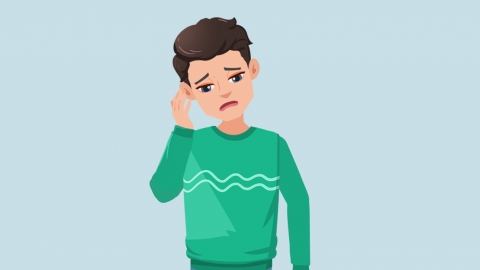
1. Improper ear cleaning: Using sharp objects or excessive force when cleaning the ears can easily damage the skin of the ear canal, causing pain and even leading to mucosal injury and bleeding. Immediately stop cleaning the ear, gently wipe away any residual debris at the entrance of the external auditory canal with a clean cotton swab, avoid water entering the ear canal, and allow the damaged skin to heal naturally.
2. Water in the ear: After bathing or swimming, if water remains in the ear canal and is not drained promptly, the moist environment can irritate the skin and cause discomfort, possibly leading to bacterial growth. Tilt your head toward the affected side and hop on one foot to help drain the water. Use a sterile cotton swab to gently absorb moisture from the outer ear canal, avoiding inserting the swab deeply into the ear canal.
3. External otitis: Inflammation caused by bacterial infection of the ear canal skin, characterized by ear pain and redness of the ear canal, with increased pain upon pressing the tragus. Patients should follow medical advice to use medications such as ofloxacin ear drops, cefradine capsules, and Huanglian Shangqing tablets. Keep the ear canal dry and avoid spicy foods that may aggravate inflammation.
4. Acute otitis media: Bacterial or viral infection of the middle ear mucosa leads to severe ear pain due to inflammatory stimulation, often accompanied by hearing loss and tinnitus. Patients should take medications as prescribed, such as amoxicillin-clavulanate potassium tablets, ibuprofen sustained-release capsules, and phenol-glycerin ear drops. Avoid forcefully blowing the nose to prevent the spread of infection.
5. Furuncle of the external auditory canal: A bacterial infection of a hair follicle in the ear canal forms an abscess, resulting in intense pain that worsens with swelling, potentially affecting chewing in severe cases. Patients may use medications as directed by a physician, such as ichthammol ointment, cefuroxime axetil tablets, and acetaminophen tablets. Once the abscess matures, incision and drainage of the furuncle may be required to release pus and relieve pain.
In daily life, it is important to develop good ear care habits—avoid using sharp objects like hairpins or toothpicks to clean the ears. Wear waterproof earplugs while bathing or swimming to prevent water from entering the ear canal. Maintain a light diet rich in fresh fruits and vegetables to enhance immunity and reduce the risk of ear infections.





