


Why do nasopharyngeal cancer patients emit an unpleasant odor, and what should be done about it?
Nov 27, 2025
Source: Cainiu Health

Dr. Lu Cheng
Introduction
In general, unpleasant odors emitted by nasopharyngeal cancer patients may be caused by insufficient oral hygiene, reduced saliva secretion, oral mucositis, sinusitis, anaerobic bacterial infections, or other reasons. Patients can choose appropriate interventions such as general management, medication, or surgical treatment according to their specific conditions. In daily life, they should pay attention to personal hygiene and maintain cleanliness of the oral and nasal cavities; diet should be light and easy to digest.
Generally, unpleasant odors emitted by nasopharyngeal carcinoma patients may be caused by insufficient oral hygiene, reduced saliva secretion, oral mucositis, sinusitis, or anaerobic bacterial infections. Patients can choose appropriate management methods such as general care, medication, or surgical treatment based on their specific conditions. Detailed analysis is as follows:
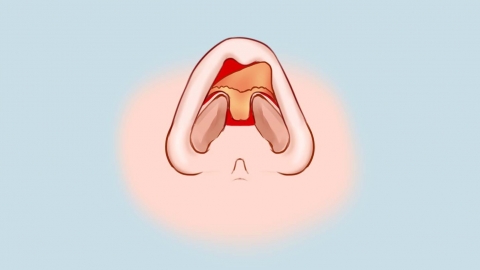
1. Inadequate Oral Hygiene
During treatment, food residues remaining in the mouth are broken down by bacteria, producing foul-smelling gases. Brush teeth with a soft-bristled toothbrush twice daily (morning and night), rinse the mouth with warm saline solution or a specialized mouthwash after meals, and use dental floss to clean food debris between teeth.
2. Reduced Saliva Secretion
Radiation therapy can damage salivary glands, leading to decreased saliva production, reduced self-cleaning ability of the mouth, bacterial overgrowth, and resulting in bad breath. Drink small amounts of cool or lukewarm water frequently to keep the mouth moist, chew sugar-free gum to stimulate saliva secretion, and avoid spicy or dry foods.
3. Oral Mucositis
Oral mucosal congestion and ulcers caused by radiation or chemotherapy can become infected, emitting an unpleasant odor and accompanied by oral pain. Under medical guidance, use medications such as Kangfuxin solution, compound chlorhexidine mouthwash, and vitamin B2 tablets. Consume warm, soft, easily digestible foods.
4. Sinusitis
Tumor compression or decreased immunity after treatment may lead to sinus infection. Foul-smelling purulent secretions drain from the sinuses, causing bad breath along with nasal congestion and headaches. Follow doctor’s instructions to use budesonide nasal spray, eucalyptus oil and pinene enteric-coated soft capsules, and cefaclor capsules. In severe cases, sinus puncture and irrigation may be required.
5. Anaerobic Bacterial Infection
Excessive proliferation of anaerobic bacteria in the oral cavity or nasopharynx breaks down necrotic tissue, producing a strong, persistent, and progressively worsening foul odor. Under medical supervision, take metronidazole tablets, tinidazole capsules, or clindamycin phosphate tablets, combined with professional dental cleaning to eliminate the source of infection.
Daily attention should be paid to personal hygiene, maintaining cleanliness of the oral and nasal cavities. A light, easily digestible diet is recommended, avoiding tobacco, alcohol, and irritating foods. Regular dental check-ups should be conducted, and oral problems addressed promptly. Family members should provide careful care and emotional support to help patients maintain confidence. If the odor suddenly worsens, immediate medical evaluation for possible infection is necessary.



