


How to manage chronic pharyngitis in pregnant women
Nov 28, 2025
Source: Cainiu Health

Dr. Lu Cheng
Introduction
Chronic pharyngitis in pregnant women may be caused by hormonal changes during pregnancy, improper voice use, pregnancy-induced rhinitis, consumption of irritating foods, or temporary decline in immunity. It is recommended to seek medical attention promptly, identify the underlying cause, and then improve the condition through safe self-care and proper medication under a doctor's guidance. In daily life, maintain indoor air circulation and use a humidifier to keep humidity levels between 50% and 60%.
In general, chronic pharyngitis in pregnant women may be caused by hormonal changes during pregnancy, improper voice use, rhinitis induced by pregnancy, aggravated dietary irritation, or temporary decline in immunity. It is recommended to seek medical attention promptly, identify the underlying cause, and then improve the condition under a doctor's guidance through safe lifestyle adjustments and proper medication. The specific analysis is as follows:
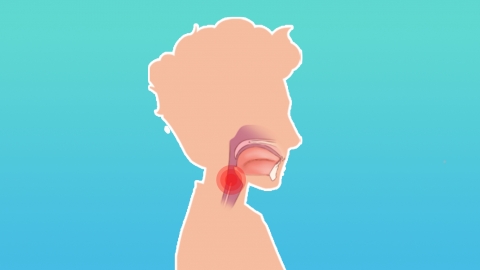
1. Hormonal changes during pregnancy: Elevated estrogen levels during pregnancy can cause congestion and swelling of the pharyngeal mucosa, triggering or worsening pharyngitis. Drink more lukewarm water, in small amounts but more frequently, to prevent dry mouth and throat. Lozenges with additive-free honey may also help soothe the throat.
2. Improper voice use: Large emotional fluctuations or frequent talking during pregnancy can increase strain on the vocal cords, leading to pharyngitis. Avoid loud speaking or shouting. Speak slowly and softly, and rest quietly when fatigued to prevent excessive use of the voice.
3. Pregnancy-induced rhinitis: Rhinitis is common during pregnancy; postnasal drip of secretions can irritate the pharyngeal mucosa and trigger chronic inflammation. Use saline nasal spray to clean the nasal cavity 2–3 times daily. Elevate the upper body slightly during sleep to reduce postnasal drip.
4. Aggravation due to dietary irritation: A preference for spicy or overly sweet foods during pregnancy may irritate the pharyngeal mucosa and lead to recurrent inflammation. Adjust the diet to be light and easily digestible. Eat more soothing fruits such as pears and apples, avoid irritating foods like hot pot and candies, and rinse the mouth with warm water after meals.
5. Temporary decline in immunity: Immunity is relatively lower during pregnancy, making pharyngeal inflammation prone to prolonged recovery. Under medical supervision, use high-safety medications such as compound chlorhexidine mouthwash, Yinhuang lozenges, or vitamin C tablets to enhance mucosal repair.
Maintain indoor air circulation and use a humidifier to keep humidity between 50% and 60%. Avoid crowded places or areas with heavy dust; wear a pure cotton mask when going outdoors. Maintain regular作息 (daily routine), avoid staying up late, take moderate walks to strengthen physical health, and reduce episodes of pharyngitis.





