


What causes sudden tinnitus?
Nov 28, 2025
Source: Cainiu Health

Dr. Lu Cheng
Introduction
In general, sudden tinnitus may be caused by factors such as sudden exposure to loud noise, intense emotional fluctuations, foreign bodies in the external auditory canal, sudden sensorineural hearing loss, or Ménière's disease. It is recommended to seek medical attention promptly, identify the underlying cause, and receive symptomatic treatment under a doctor's guidance. In daily life, avoid prolonged use of headphones and keep the volume within a safe range. Maintain regular sleep patterns and avoid staying up late; eat a light diet and reduce salt intake.
Generally, sudden tinnitus may be caused by factors such as exposure to sudden loud noise, intense emotional fluctuations, foreign bodies in the external auditory canal, sudden sensorineural hearing loss, or Ménière's disease. It is recommended to seek medical attention promptly, identify the underlying cause, and receive appropriate treatment under a doctor’s guidance. Specific analysis is as follows:
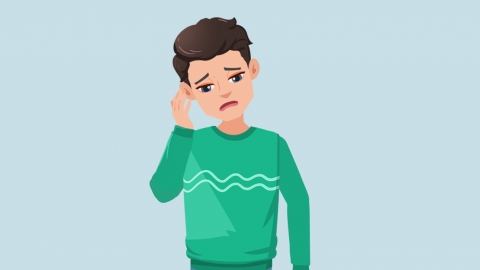
1. Sudden noise exposure: Sudden exposure to high-decibel environments such as firecrackers or explosions can damage cochlear hair cells, leading to tinnitus. Immediately move away from the noise source and rest in a quiet environment. Gently cover your ears with your hands and massage them lightly. Avoid further noise exposure for a period of time.
2. Intense emotional fluctuations: Sudden anger, anxiety, or fright can cause nervous system overexcitation, affecting auditory function and resulting in transient tinnitus. Sit down and calm yourself through deep breathing or slow meditation. Drink warm water to help relax the body and mind, and avoid further emotional swings.
3. Foreign body in the ear canal: Small insects or impacted earwax blocking the ear canal suddenly can stimulate the eardrum and trigger tinnitus, often accompanied by a sensation of ear fullness. Do not attempt to remove it yourself. A healthcare provider should use specialized tools to extract the object. After removal, follow medical advice to use medications such as lomefloxacin hydrochloride ear drops, cefradine capsules, or hydrogen peroxide solution to prevent infection.
4. Sudden sensorineural hearing loss: Caused by impaired blood supply to the inner ear or viral infection, tinnitus is often the first symptom, followed by a rapid decline in hearing. Early treatment is essential. Medications such as ginkgo leaf extract injection, mecobalamin tablets, or dexamethasone sodium phosphate injection may be used as directed by a physician.
5. Ménière's disease: Resulting from endolymphatic hydrops (fluid buildup) in the inner ear, this condition causes sudden tinnitus along with vertigo and fluctuating hearing loss. Patients may take betahistine tablets, hydrochlorothiazide tablets, or difenidol tablets as prescribed. If medication fails, surgical options such as endolymphatic sac decompression may be considered to reduce inner ear pressure and relieve symptoms.
In daily life, avoid prolonged headphone use and keep volume within a safe range. Maintain regular sleep patterns and avoid staying up late. Eat a light diet and reduce salt intake. When tinnitus occurs, do not become overly anxious; instead, promptly identify potential triggers and cooperate with medical treatment to support recovery of auditory function.




