


Is the shape of the nose inherited from the father or the mother?
Nov 28, 2025
Source: Cainiu Health

Dr. Lu Cheng
Introduction
The shape of the nose results from the combined genetic contributions of both parents, rather than being inherited solely from one parent. Traits such as nasal bridge height and nasal tip size follow polygenic inheritance patterns, reflecting a blend of genetic characteristics from both parents. If there are congenital nasal deformities or abnormal development, prompt medical evaluation is recommended.
The shape of the nose is determined by the combined genes from both father and mother, rather than inherited solely from one parent. Traits such as nasal bridge height and nasal tip size follow polygenic inheritance patterns, reflecting a blend of genetic characteristics from both parents. If there are congenital nasal deformities or abnormal development, timely medical evaluation is recommended.
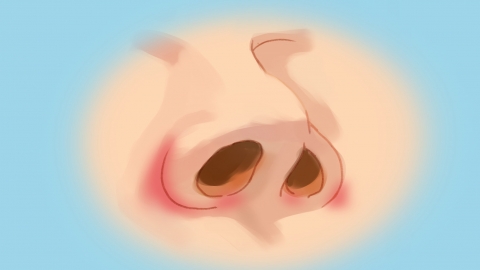
From the perspective of genetic mechanisms, the genes controlling nasal features come from both parents, with the combination of dominant and recessive genes determining the final expression. For example, if the gene for a high nasal bridge is dominant, children have a higher probability of having a high nasal bridge when one or both parents possess this trait; however, they may still inherit a moderate nasal bridge due to combinations involving recessive genes from both parents.
Different nasal traits vary in their inheritance probabilities. Characteristics such as the size of the nasal tip and width of the alae nasi are influenced by multiple gene pairs, making them more likely to exhibit blended features from both parents. In contrast, the prominence of the nasal bridge is relatively more influenced by dominant genes and may resemble that of one parent more closely, although it is never inherited exclusively from just one parent.
In daily life, protect the nose from external trauma, maintain nasal hygiene by avoiding frequent nose picking, gently blow the nose to prevent damage to the nasal mucosa, and promptly adjust lifestyle habits if symptoms such as nasal congestion or runny nose occur, so as to preserve normal nasal physiological function.





