


What causes nosebleeds due to internal heat?
Nov 28, 2025
Source: Cainiu Health

Dr. Lu Cheng
Introduction
Nosebleeds caused by internal heat may result from consuming spicy and irritating foods, dry environments, acute rhinitis, sinusitis, atrophic rhinitis, etc. These can be improved by adjusting diet, improving the environment, or medication. If nosebleeds occur frequently or involve heavy bleeding, prompt medical attention is necessary. Long-term, excessive consumption of spicy foods such as chili peppers and Sichuan pepper can lead to
Nosebleeds caused by internal heat may result from factors such as consumption of spicy and irritating foods, dry environments, acute rhinitis, sinusitis, or atrophic rhinitis. These can be improved through dietary adjustments, environmental modifications, and medical treatments. If nosebleeds occur frequently or involve heavy bleeding, prompt medical attention is necessary.
1. Spicy and Irritating Diet: Long-term, excessive intake of spicy foods like chili peppers and Sichuan pepper can lead to heat accumulation in the body, causing nasal mucosal congestion and rupture, resulting in nosebleeds. It is recommended to eat a light diet, consume more heat-clearing and moisture-nourishing foods such as wax gourd and pears, and reduce intake of spicy foods.
2. Dry Environment: Prolonged exposure to air-conditioned rooms or dry climates causes loss of moisture in the nasal mucosa, increasing blood vessel fragility and making it easier for internal heat to trigger nosebleeds. It is advisable to use a humidifier to maintain proper humidity levels and apply physiological saline nasal sprays daily to keep the nasal mucosa moist.
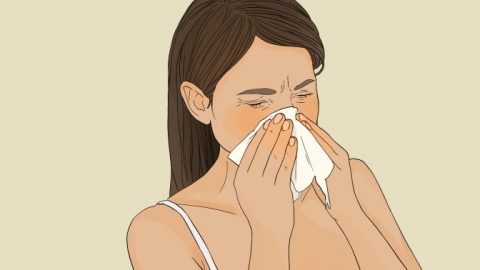
3. Acute Rhinitis: Viral or bacterial infections cause acute inflammation of the nasal mucosa. Inflammatory irritation leads to mucosal congestion and swelling, which, when combined with internal heat, can easily rupture and bleed, often accompanied by nasal congestion and runny nose. Under medical guidance, patients may use medications such as oxymetazoline hydrochloride nasal drops, Biyuan Tongqiao Granules, or cefuroxime axetil tablets to relieve symptoms.
4. Sinusitis: Infection-induced inflammation of the sinus mucosa spreads to the nasal cavity, causing mucosal congestion. When internal heat worsens, blood vessels may rupture and bleed, often accompanied by headache and purulent nasal discharge. Under medical supervision, treatment may include budesonide nasal spray, amoxicillin-clavulanate potassium dispersible tablets, or Tongqiao Biyan tablets to alleviate discomfort.
5. Atrophic Rhinitis: The nasal mucosa becomes thin and atrophied, exposing blood vessels that are prone to bleeding under internal heat stimulation. Symptoms include nasal dryness, reduced sense of smell, and formation of pus-filled crusts. As directed by a physician, patients may use compound menthol nasal drops, vitamin AD drops, or saline nasal irrigation solutions to improve symptoms.
In daily life, maintain appropriate indoor humidity, drink plenty of water to stay hydrated, avoid aggressive nose picking or rubbing, maintain a balanced diet rich in heat-clearing fruits and vegetables, follow a regular sleep schedule to minimize internal heat buildup, and protect the health of the nasal mucosa.




