


What should I do if I experience nosebleeds due to “excess internal heat”?
May 09, 2022
Source: Cainiu Health

Dr. He Haochen
Introduction
Nosebleeds (epistaxis) should first be managed with hemostasis. Initially, apply firm pressure with your fingers to the soft part of the nostril on the bleeding side for 5–10 minutes continuously. It is crucial to maintain pressure for the full duration; in most cases, adequate compression will achieve effective hemostasis. If bleeding persists despite prolonged compression, or if the patient experiences heavy bleeding, immediate evaluation by an otolaryngologist is required.
Frequent nosebleeds associated with “excessive internal heat” (a traditional Chinese medicine concept) are commonly caused by hyperactive liver fire forcing blood to flow abnormally. In some cases, they result from yin deficiency with resulting internal heat. So, what should one do when experiencing nosebleeds due to “excessive internal heat”?
What to Do for Nosebleeds Caused by “Excessive Internal Heat”
The first step in managing epistaxis (nosebleed) is to stop the bleeding. Begin by applying firm pressure with your fingers to the soft part of the nostril on the bleeding side for 5–10 minutes. It is crucial to maintain continuous pressure for the full duration—most nosebleeds will resolve effectively after adequate compression. If bleeding persists despite prolonged pressure, or if the volume of blood loss is substantial, seek immediate evaluation at an otolaryngology (ENT) clinic. Patients may also use over-the-counter nasal decongestant sprays (vasoconstrictors) as directed to promote local vasoconstriction and reduce nasal bleeding. In cases of severe “internal heat,” medications such as Niuhuang Xiaoyan Tablets (Calculus Bovis Anti-inflammatory Tablets) or Niuhuang Jiedu Tablets (Calculus Bovis Detoxifying Tablets) may be taken under a physician’s guidance to alleviate symptoms.
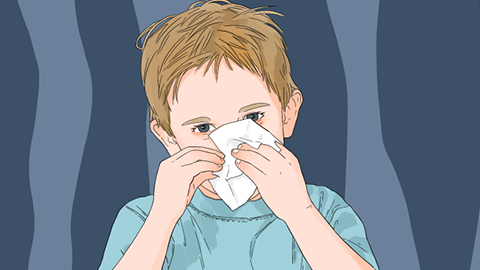
After experiencing a nosebleed related to “excessive internal heat,” it is essential to replenish fluids and take herbs or medications that clear heat and purge fire or clear heat and detoxify. Maintain a humid indoor environment to prevent excessive dryness or heat, both of which can increase nasal mucosal fragility. Lubricating ointments—such as erythromycin ointment—may be applied topically inside the nostrils to moisturize the nasal mucosa, enhance vascular elasticity, and thereby reduce the likelihood of recurrent epistaxis.

In daily life, patients should follow a light, balanced diet: avoid excessive alcohol consumption and smoking; minimize intake of spicy or greasy foods; consume more fresh vegetables rich in vitamin C; and include foods high in vitamin K—such as lotus root and Chinese yam—to support healthy coagulation. Ensure adequate rest and avoid chronic sleep deprivation, which may deplete body fluids and exacerbate yin deficiency with internal heat. We hope this information proves helpful!



