


What causes swelling and pain at the junction below the earlobe and behind the jaw?
Nov 28, 2025
Source: Cainiu Health

Dr. Lu Cheng
Introduction
In general, swelling and pain below the earlobe at the junction of the cheek may be caused by excessive chewing, trauma or impact, mumps, acute lymphadenitis, temporomandibular joint disorder syndrome, or other reasons. If discomfort occurs, it is recommended to seek timely medical evaluation and treatment at a reputable hospital. In daily life, avoid chewing on one side only and chewing hard objects, and maintain proper bite alignment.
Generally, swelling and pain below the earlobe at the junction of the cheek area may be caused by excessive chewing, trauma or impact, mumps, acute lymphadenitis, or temporomandibular joint disorder. If discomfort occurs, it is recommended to seek timely medical evaluation and treatment at a正规 hospital. Specific causes are analyzed as follows:
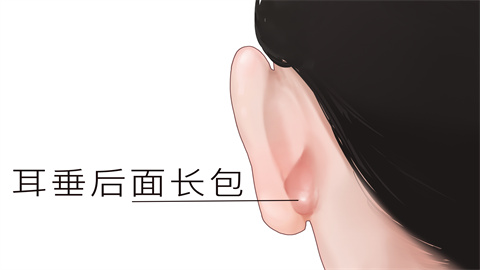
1. Excessive Chewing
Chewing hard foods for prolonged periods or frequently opening the mouth wide can lead to local muscle strain, resulting in swelling and pain. Stop eating hard foods immediately and allow the chewing muscles to rest fully. Applying cold compresses appropriately can help relieve discomfort. Maintain a soft and easily digestible diet.
2. Trauma or Impact
External force impacting this area may cause subcutaneous tissue congestion and edema, leading to swelling and pain. Apply cold compresses within the first 48 hours to control bleeding; switch to heat compresses after 48 hours to promote resolution of swelling. Avoid touching or irritating the injured area again.
3. Mumps (Epidemic Parotitis)
Infection with the mumps virus causes inflammation, leading to congestion and swelling of the parotid gland and resulting in localized pain and swelling, often accompanied by fever. Medications such as ribavirin granules, acetaminophen tablets, and Pudilan anti-inflammatory oral liquid may be used under medical guidance. Isolation and rest are required until symptoms resolve.
4. Acute Lymphadenitis
Infections in the oral cavity or pharynx may spread to nearby lymph nodes, causing lymph node enlargement and pain. Antibiotics such as cefradine capsules, amoxicillin capsules, and metronidazole tablets may be prescribed under a doctor's supervision. Maintain good oral hygiene during treatment and rinse your mouth after meals.
5. Temporomandibular Joint Disorder Syndrome
Dysfunction of the temporomandibular joint leads to inflammation of the joint and surrounding tissues, causing swelling and pain that worsens with mouth opening. Medications such as ibuprofen sustained-release capsules, glucosamine sulfate capsules, and diclofenac sodium gel may be used as directed by a physician. In severe cases, arthroscopic disc repositioning surgery may be required.
In daily life, avoid unilateral chewing and chewing hard objects; maintain proper bite posture; practice good oral hygiene to prevent infections; protect the face from external impacts; and seek prompt medical attention for persistent swelling or pain, followed by standardized diagnosis and treatment.



