


How to treat pharyngeal follicles
Nov 28, 2025
Source: Cainiu Health

Dr. Lu Cheng
Introduction
Treatment methods for pharyngeal follicles include etiological and symptomatic treatment, local medication, physical therapy, laser therapy, and low-temperature plasma ablation. The appropriate approach should be selected based on the size of the follicles, severity of symptoms, and underlying cause. If follicular hyperplasia is significant or accompanied by persistent sore throat or difficulty swallowing, prompt medical evaluation is recommended. Identifying and managing underlying causes such as chronic pharyngitis or allergies is essential.
Treatment options for pharyngeal follicles include etiological and symptomatic therapy, local medication, physical therapy, laser treatment, and low-temperature plasma ablation, with the choice depending on the size of the follicles, severity of symptoms, and underlying causes. If follicular hyperplasia is significant or accompanied by persistent sore throat or difficulty swallowing, prompt medical attention is recommended.
1. Etiological and Symptomatic Therapy: Addressing underlying causes such as chronic pharyngitis or allergies by controlling inflammation or avoiding allergens helps reduce follicle irritation and prevent worsening hyperplasia. This forms the foundation of treatment and should be combined with lifestyle adjustments.
2. Local Medication: Using mouthwashes to clean the pharynx and reduce inflammation, or taking lozenges to soothe discomfort, can help alleviate congestion and swelling of the follicles. This approach is suitable for mild symptoms and small follicles.
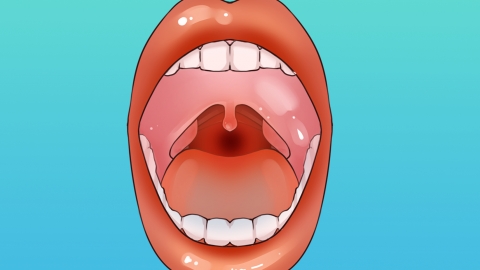
3. Physical Therapy: Techniques such as microwave or cryotherapy are applied to the follicles to induce shrinkage and shedding. These methods are relatively gentle with minimal trauma and are appropriate for patients with scattered follicles and moderate symptoms.
4. Laser Therapy: Utilizes precise laser ablation to burn off follicles, rapidly removing hyperplastic tissue. It offers quick results and is ideal for cases with concentrated and明显 follicular hyperplasia. Postoperative care is important to prevent infection.
5. Low-Temperature Plasma Ablation: Uses low-temperature plasma technology to ablate follicles, offering minimal invasiveness, rapid recovery, and preservation of normal pharyngeal mucosal function. It is suitable for patients with moderate to severe follicular hyperplasia.
In daily life, maintain good oral hygiene by rinsing the mouth with warm water after meals, and avoid irritants such as spicy foods, smoking, and alcohol. Drink plenty of water to keep the throat moist, consume light and easily digestible foods, avoid excessive voice use, and stay away from dust and harmful gases to minimize irritation to the pharyngeal mucosa.



