What causes nosebleeds?
Nov 28, 2025
Source: Cainiu Health

Dr. Lu Cheng
Introduction
In general, nosebleeds may be caused by dry nasal mucosa, physical trauma, allergic rhinitis, sinusitis, deviated nasal septum, or other reasons. If discomfort occurs, it is recommended to seek timely medical evaluation and treatment at a正规 hospital. In daily life, maintain appropriate indoor humidity; avoid forceful nose picking or rubbing, and take proper precautions to protect the nose.
Nosebleeds are generally caused by factors such as dry nasal mucosa, physical trauma, allergic rhinitis, sinusitis, or deviated septum. If discomfort occurs, it is recommended to seek timely medical evaluation and treatment at a正规 hospital. Specific causes are analyzed as follows:
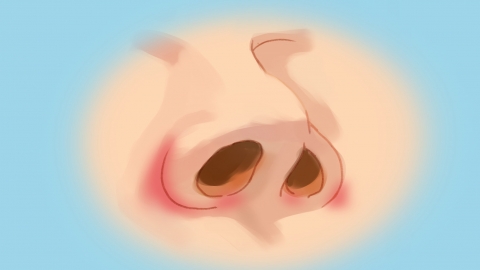
1. Dry Nasal Mucosa
Dry climates, insufficient fluid intake, or prolonged time in air-conditioned environments can cause the nasal mucosa to lose moisture, become brittle, and more prone to blood vessel rupture and bleeding. Use a humidifier indoors to maintain humidity between 50%–60%, ensure adequate daily water intake, and wear a mask outdoors to reduce moisture loss from the mucosa.
2. Physical Trauma
Blunt force, pressure, or aggressive nose picking can directly damage the nasal mucosa and blood vessels, leading to bleeding. During a nosebleed, remain seated with your head slightly forward and pinch both sides of the nostrils for 5–10 minutes to stop the bleeding. Avoid rubbing the nose forcefully and take precautions to protect the nasal area.
3. Allergic Rhinitis
After exposure to allergens such as pollen or dust mites, the nasal mucosa becomes congested and swollen. Frequent sneezing or nose rubbing may lead to mucosal damage and bleeding. Follow medical advice to use budesonide nasal spray, cetirizine hydrochloride tablets, or montelukast sodium tablets. Identify and avoid known allergens to prevent recurrence.
4. Sinusitis
Bacterial or viral infections can cause inflammation in the sinuses. Purulent secretions irritate the nasal mucosa, resulting in erosion and bleeding, often accompanied by nasal congestion and headaches. Under medical guidance, treatments may include cefuroxime axetil tablets, saline seawater nasal spray, and eucalyptus citronella pine enteric soft capsules. Regularly rinse the nasal cavity with saline solution.
5. Deviated Septum
A nasal septum that is crooked to one side or has a localized protrusion results in thin, delicate mucosa at the deviated site, which is easily damaged by airflow and leads to recurrent bleeding. Minor bleeding can be managed with local cold compresses. For frequent bleeding or severe nasal obstruction, septoplasty may be performed. Avoid applying pressure to the nose after surgery.
In daily life, maintain appropriate indoor humidity; avoid aggressive nose picking or rubbing, and protect the nasal area; stay away from allergens and prevent respiratory infections; perform regular nasal examinations and address any issues promptly.