What should I do if vomiting is severe due to otolithiasis (ear stone disorder)?
Nov 28, 2025
Source: Cainiu Health

Dr. Lu Cheng
Introduction
For severe vomiting caused by otolithiasis (benign paroxysmal positional vertigo), immediately stop all activities, maintain a stable body position, avoid triggering factors, temporarily relieve discomfort, promptly replenish fluids and electrolytes, and seek medical attention as soon as possible for accurate diagnosis. If frequent vomiting occurs or is accompanied by intense vertigo or confusion, it is essential to visit an otolaryngology department promptly. Immediately sit down or lie down, keeping the head immobilized to avoid
Severe vomiting caused by otolith disorder (benign paroxysmal positional vertigo, BPPV) requires immediate cessation of activity and maintenance of stable body position, avoidance of triggering factors, temporary relief of discomfort, timely rehydration with fluids and electrolytes, and prompt medical consultation for accurate diagnosis. If frequent vomiting occurs along with intense vertigo or confusion, it is essential to seek immediate care at an otorhinolaryngology (ENT) department.
1. Maintain stable body position: Immediately sit down or lie down, keeping the head still and avoiding rapid head movements such as turning or bending over. This reduces stimulation of displaced otoliths, alleviates vomiting, and prevents worsening symptoms due to postural changes.
2. Avoid triggering factors: Stay away from environments with bright lights or loud noises. Maintain a quiet and comfortable setting, avoid emotional stress or anxiety, minimize factors that may trigger vomiting, and support the body’s gradual return to equilibrium.
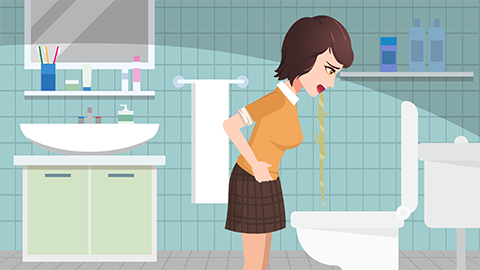
3. Temporary relief of discomfort: After vomiting, rinse the mouth with warm water to remove unpleasant odors that might trigger further nausea. Temporarily avoid eating to reduce gastrointestinal burden. Once vomiting subsides, small sips of warm water may be taken.
4. Replenish fluids and electrolytes: Frequent vomiting can lead to dehydration and electrolyte imbalance. Drink small amounts of warm water or oral rehydration solution frequently to replace lost fluids and electrolytes and prevent complications.
5. Seek prompt and accurate diagnosis: Visit an ENT specialist as soon as possible. Professional examinations will confirm the type of otolith disorder and prepare for subsequent repositioning maneuvers, addressing the root cause of vomiting.
In daily life, move slowly when getting up or turning your head; avoid sudden postural changes. Ensure adequate sleep, avoid excessive fatigue, maintain a balanced diet of light and easily digestible foods, reduce gastrointestinal irritation, and lower the risk of otolith disorder episodes and associated vomiting.