


What is tinnitus and how to get rid of it
Nov 28, 2025
Source: Cainiu Health

Dr. Lu Cheng
Introduction
Tinnitus may be caused by excessive mental stress, lack of sleep, hypertension-related tinnitus, otitis media, Meniere's disease, etc., and can be improved through emotional regulation, better sleep, and medication. If tinnitus lasts longer than one week or is accompanied by hearing loss or dizziness, prompt medical attention is necessary. Long-term anxiety and tension can lead to autonomic nervous system dysfunction.
Tinnitus may be caused by excessive mental stress, lack of sleep, hypertensive tinnitus, otitis media, Ménière's disease, and other conditions. It can be improved through emotional regulation, better sleep, and medication. If tinnitus lasts longer than one week or is accompanied by hearing loss or dizziness, prompt medical attention is necessary.
1. Excessive mental stress: Long-term anxiety and tension can lead to nervous system dysfunction and impaired blood circulation in the inner ear, resulting in tinnitus—often perceived as a persistent buzzing sound similar to cicadas. It is recommended to relieve stress through meditation, listening to soothing music, avoiding overthinking, and maintaining emotional calmness.
2. Sleep deprivation: Chronic late-night habits and poor sleep quality prevent adequate rest for the inner ear nerves, triggering tinnitus, which may be accompanied by fatigue and difficulty concentrating. It is advised to maintain a regular sleep schedule, ensure 7–8 hours of sleep each night, and avoid stimulating activities such as using mobile phones or watching TV before bedtime.
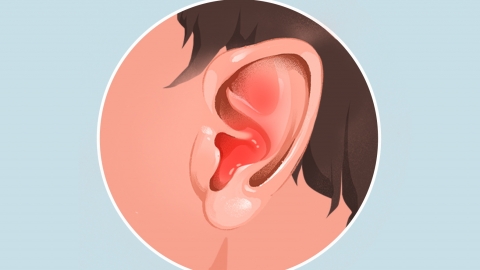
3. Hypertensive tinnitus: Prolonged high blood pressure causes hardening of the inner ear blood vessels and abnormal blood flow, leading to tinnitus that is often pulsatile and synchronized with the heartbeat. Patients may take medications such as nifedipine sustained-release tablets, irbesartan tablets, or hydrochlorothiazide tablets under medical guidance to alleviate symptoms.
4. Otitis media: Bacterial or viral infections cause inflammation in the middle ear. Inflammatory irritation of the eardrum and ossicles leads to tinnitus, often accompanied by ear pain, pus discharge, and hearing loss. It is recommended to use medications such as cefixime dispersible tablets, ofloxacin ear drops, or amoxicillin capsules under a doctor’s supervision to relieve discomfort.
5. Ménière's disease: Abnormal metabolism of inner ear lymph fluid causes endolymphatic hydrops (fluid buildup in the membranous labyrinth), resulting in tinnitus—typically a low-frequency humming sound—accompanied by vertigo, a feeling of fullness in the ear, and fluctuating hearing loss. Patients may follow medical advice to take betahistine tablets, difenidol tablets, or mecobalamin tablets to improve symptoms.
Maintain a regular routine and avoid staying up late; stay away from noisy environments to reduce auditory stimulation; adopt a balanced, low-salt, low-fat diet; engage in moderate exercise to strengthen overall health; and maintain good ear hygiene to help alleviate tinnitus.


