


What is an ear fistula?
Nov 28, 2025
Source: Cainiu Health

Dr. Lu Cheng
Introduction
In general, ear fistulas may be caused by genetic factors, abnormal embryonic development, ear infections, ear trauma, or congenital preauricular sinus. Ear fistulas tend to run in families; if there is a family history of ear fistulas, offspring may inherit the condition due to genetic transmission. This is a physiological condition that does not require special treatment. Routine care includes maintaining ear hygiene and avoiding pressure or squeezing on the fistula opening.
Generally, auricular fistulas may be caused by genetic factors, abnormal embryonic development, ear infections, ear trauma, or congenital preauricular sinus. If symptoms related to an auricular fistula occur, it is recommended to seek timely medical evaluation and treatment at a reputable hospital. Specific causes are analyzed as follows:
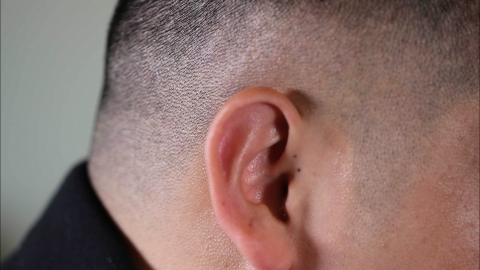
1. Genetic factors: Auricular fistulas tend to run in families. Individuals with a family history of this condition may inherit the trait due to genetic predisposition. This is a physiological factor that typically does not require special treatment. Routine care includes maintaining ear hygiene and avoiding squeezing or manipulating the fistula opening.
2. Abnormal embryonic development: During embryonic development, incomplete fusion of the first and second branchial arches can lead to the formation of a fistula in the ear area. This is also a physiological condition that usually doesn't require treatment. If there is no discharge or discomfort from the fistula, regular observation is sufficient. However, if the fistula affects appearance, surgical removal may be considered.
3. Ear infection: Bacterial invasion into the auricular fistula can cause inflammation, resulting in redness, swelling, and pain around the fistula. In severe cases, purulent (pus-like) discharge may occur. Under medical guidance, oral antibiotics such as amoxicillin capsules, cefixime dispersible tablets, or roxithromycin tablets may be prescribed. It's important to maintain ear hygiene and avoid exposing the fistula to contaminated water.
4. Ear trauma: Trauma to the ear such as impact or scratches can damage the fistula, leading to bleeding and pain. Improper management may result in infection. Minor injuries can be managed at home with proper disinfection using iodophor solution. However, if the wound is deep or bleeding persists, prompt medical attention is required, and suturing may be necessary.
5. Congenital preauricular fistula: When a congenital preauricular fistula becomes repeatedly infected, abscess formation may occur, accompanied by obvious local redness, swelling, heat, and pain. In severe cases, the abscess may rupture and drain pus. Under medical supervision, antibiotics such as azithromycin tablets, levofloxacin hydrochloride tablets, or clindamycin phosphate tablets may be used. If an abscess forms, incision and drainage are required, followed by surgical excision of the fistula after the infection is controlled.
In daily life, it is essential to keep the ear area clean and dry and prevent contaminated water from entering the fistula. Avoid squeezing or picking at the fistula opening to reduce the risk of infection. If symptoms such as redness, swelling, pain, or increased discharge develop, seek medical care promptly.





