


What causes breakouts on the chin after menstruation ends?
Nov 28, 2025
Source: Cainiu Health

Dr. Liu Wenmin
Introduction
Breakouts on the chin after menstruation ends are often related to hormonal fluctuations, excessive emotional stress, polycystic ovary syndrome (PCOS), acne, or folliculitis. If breakouts persist or worsen, it is advisable to seek timely medical evaluation at a reputable hospital. In daily life, maintain proper skin cleansing and hydration using gentle skincare products; follow a light diet and consume more fresh fruits and vegetables.
Breakouts on the chin after menstruation ends are often related to hormonal fluctuations, excessive emotional stress, polycystic ovary syndrome (PCOS), acne, and folliculitis. If breakouts persist or worsen, it is advisable to seek timely medical evaluation at a reputable hospital. The specific causes are analyzed as follows:
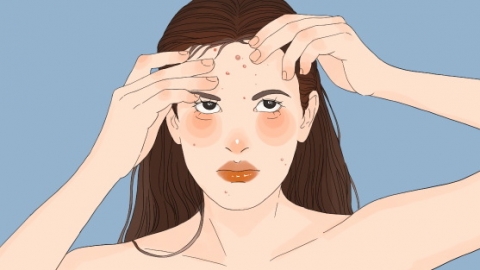
1. Hormonal Fluctuations
After menstruation ends, estrogen levels have not yet fully recovered, leading to relatively high levels of androgens. This stimulates excessive sebum production by the sebaceous glands, which can clog pores and trigger acne. Maintain a regular sleep schedule, cleanse the chin area twice daily, use lightweight, non-comedogenic moisturizers, and reduce intake of high-sugar and high-fat foods.
2. Excessive Emotional Stress
Emotions tend to fluctuate around the menstrual period, and accumulated stress can disrupt endocrine function, impair skin metabolism, and lead to chin breakouts. Engage in 30 minutes of aerobic exercise daily, such as brisk walking or yoga. Relieve stress before bedtime through foot soaks or listening to calming music, and ensure 7–8 hours of quality sleep.
3. Polycystic Ovary Syndrome (PCOS)
This condition involves endocrine and metabolic abnormalities that result in elevated androgen levels, increasing sebum production and causing recurrent chin acne, often accompanied by irregular menstruation. Under medical guidance, medications such as ethinylestradiol/cyproterone acetate, drospirenone/ethinylestradiol, or spironolactone may be prescribed. Additionally, maintaining a healthy weight and reducing carbohydrate intake can help manage symptoms.
4. Acne
Acne occurs when hair follicles and sebaceous gland ducts become blocked, allowing Propionibacterium acnes to proliferate and cause inflammation. Hormonal changes after menstruation can exacerbate these symptoms. Under a doctor’s supervision, topical treatments such as adapalene gel or benzoyl peroxide gel, along with oral doxycycline tablets, may be used. Avoid squeezing or picking at pimples.
5. Folliculitis
Poor hygiene of the chin area can lead to bacterial infection of hair follicles, resulting in inflammatory red papules. These outbreaks are more likely when immunity is slightly reduced after menstruation. Topical antibiotics such as mupirocin ointment, fusidic acid cream, or clindamycin gel may be used as directed by a physician. Keep the chin area clean and dry.
In daily life, emphasize proper skin cleansing and hydration using gentle skincare products; maintain a light diet rich in fresh fruits and vegetables; follow a regular sleep schedule and avoid staying up late; learn to manage emotions effectively to support hormonal balance and reduce the likelihood of acne development.



